


Ge Vernova Inc Stock (GEV) Moved Down by 4.72% on Jul 27: A Full Analysis



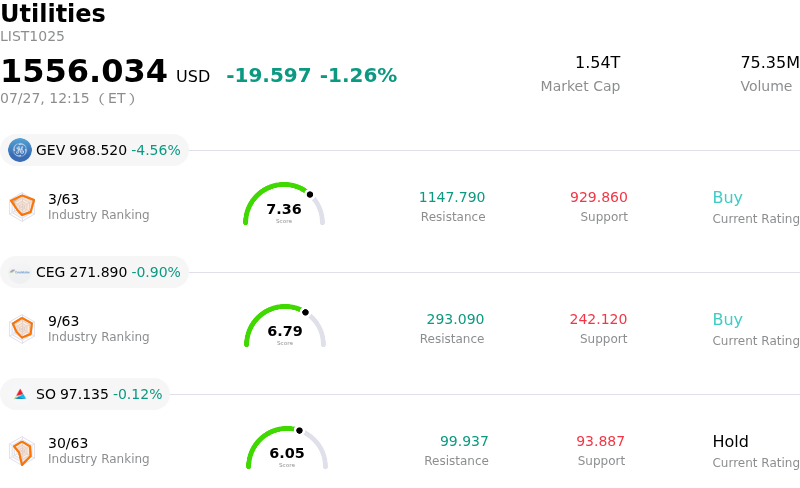
Ge Vernova Inc (GEV) moved down by 4.72%. The Utilities sector is down by 1.26%. The company underperformed the industry. Top 3 stocks by turnover in the sector: Ge Vernova Inc (GEV) down 4.56%; Constellation Energy Corp (CEG) down 0.90%; Southern Co (SO) down 0.12%.
What is driving Ge Vernova Inc (GEV)’s stock price down today?
GE Vernova is currently facing a period of intensified selling pressure as investors react to a combination of internal operational hurdles and broader sector-wide headwinds. The primary catalyst for the recent downward trajectory appears to be centered on the company Wind segment, where persistent supply chain bottlenecks and higher-than-anticipated integration costs for next-generation turbine platforms have weighed heavily on near-term margin expectations. This has triggered a wave of cautious reassessments from institutional desks that were previously optimistic about the company path to profitability following its spin-off.
The intraday volatility highlights a tug-of-war between long-term energy transition bulls and short-term risk-averse traders. Market sentiment has been further dampened by reports of project delays in several major offshore wind installations, which are critical to the company growth narrative. These logistical setbacks, coupled with rising material costs, have raised concerns that the company may struggle to hit its previously communicated free cash flow targets for the fiscal year. Consequently, some large-scale funds appear to be trimming their positions to lock in gains or mitigate exposure to the capital-intensive power equipment sector.
From a macroeconomic perspective, the current interest rate environment continues to pose a challenge for large-scale infrastructure providers like GE Vernova. As capital costs remain elevated, utility customers are becoming increasingly selective with their procurement schedules, leading to a lumpy order book and less predictable revenue recognition. Furthermore, recent regulatory shifts or uncertainties regarding renewable energy tax credits have added a layer of complexity to the company long-term planning, prompting analysts to apply a higher discount rate to future earnings projections.
Technically, the breach of key support levels during the session exacerbated the decline, triggering automated sell orders and contributing to the heightened price swings. While the Electrification and Power segments remain relatively robust due to steady demand for grid modernization and gas turbines, the drag from the renewable energy division is currently overshadowing these strengths. Investors are now looking for more definitive guidance from management regarding cost-cutting measures and the stabilization of the wind business to restore confidence in the stock trajectory.
Technical Analysis of Ge Vernova Inc (GEV)
Technically, Ge Vernova Inc (GEV) shows a MACD (12,26,9) value of -20.444, indicating a neutral signal. The RSI at 45.721 suggests neutral condition and the Williams %R at 77.457 suggests sell condition. Please monitor closely.
Media Coverage of Ge Vernova Inc (GEV)
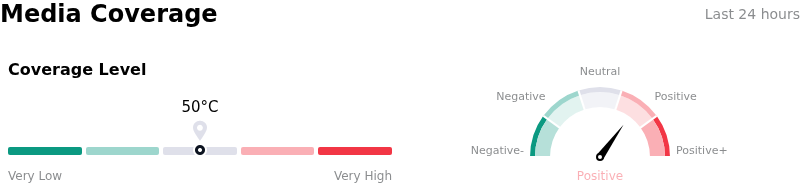
In terms of media coverage, Ge Vernova Inc (GEV) shows a coverage score of 50, indicating a moderate level of media attention. The overall market sentiment index is currently in bullish zone.
Fundamental Analysis of Ge Vernova Inc (GEV)
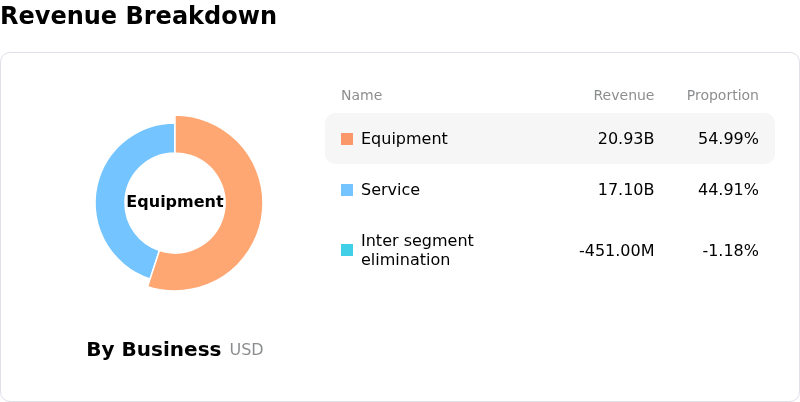
Ge Vernova Inc (GEV) is in the Utilities industry. Its latest annual revenue is $38.07B, ranking 2 in the industry. The net profit is $4.88B, ranking 4 in the industry. Company Profile
Over the past month, multiple analysts have rated the company as Buy, with an average price target of $1224.87, a high of $1450.00, and a low of $836.00.
More details about Ge Vernova Inc (GEV)
Company Specific Risks:
- Operational Failures and Product Liability: The recent structural failure of a turbine blade at the Vineyard Wind project has raised significant concerns regarding the manufacturing quality and long-term reliability of the Haliade-X platform, potentially leading to expensive fleet-wide inspections.
- Regulatory and Suspension Risks: Following the blade incident, the Bureau of Safety and Environmental Enforcement (BSEE) issued a suspension order halting operations and further installation at the affected site, creating immediate uncertainty for project timelines and revenue recognition.
- Escalating Warranty and Remediation Costs: Institutional analysts have flagged the potential for substantial increases in warranty provisions and remediation expenses, which threaten to erode margins within the Wind segment and delay the company's path to segment-level profitability.
- Contractual and Legal Liabilities: The company faces exposure to liquidated damages and potential litigation from project developers and partners due to operational downtime, coupled with heightened scrutiny from federal regulators that may impact future permitting for offshore projects.
This article may include AI-generated content that is human-reviewed, which is for reference and general information purposes only and does not constitute investment advice.
Recommended Articles









Comments (0)
Click the $ button, enter the symbol, and select to link a stock, ETF, or other ticker.