


Oracle Corp Stock (ORCL) Moved Down by 3.56% on Jul 23: What Investors Need To Know



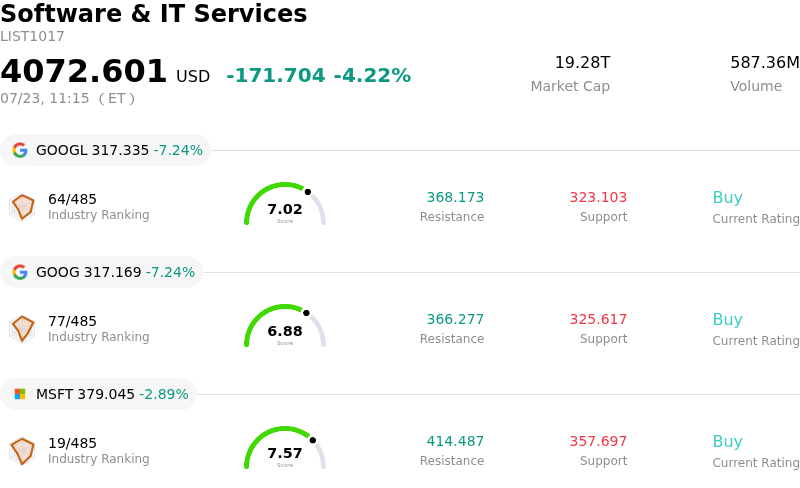
Oracle Corp (ORCL) moved down by 3.56%. The Software & IT Services sector is down by 4.22%. The company outperformed the industry. Top 3 stocks by turnover in the sector: Alphabet Inc Class A (GOOGL) down 7.24%; Alphabet Inc Class C (GOOG) down 7.24%; Microsoft Corp (MSFT) down 2.89%.
What is driving Oracle Corp (ORCL)’s stock price down today?
The downward pressure on Oracle today is largely symptomatic of a broader retreat in the enterprise software sector, exacerbated by macroeconomic shifts that have dampened investor appetite for high-growth technology names. Recent labor market data and updated inflation forecasts suggest that the Federal Reserve may maintain a restrictive monetary policy for longer than previously anticipated. This hawkish tilt has pushed Treasury yields higher, disproportionately impacting companies with elevated price-to-earnings multiples. For Oracle, which has seen significant appreciation driven by its cloud infrastructure expansion, this macro-level repricing is a primary driver of the current session's decline.
Beyond macroeconomic headwinds, industry-specific sentiment has soured following a cautious outlook from a key peer in the cloud services space. Concerns regarding a potential deceleration in enterprise cloud spending have emerged, raising questions about the sustainability of Oracle Cloud Infrastructure growth rates. Investors are closely scrutinizing whether the massive capital expenditures required to build out AI-ready data centers will yield the expected returns in the immediate term. This skepticism is compounded by reports suggesting that some large-scale enterprise migrations are taking longer than projected, potentially deferring revenue recognition into future quarters.
From a technical perspective, the stock is experiencing a correction after reaching overbought territory earlier in the month. Institutional portfolio adjustments are likely at play, with some funds locking in gains from the recent AI-driven rally to rebalance toward defensive sectors. While Oracle’s long-term integration of generative AI into its database and ERP offerings remains a compelling narrative, the current market environment is unforgiving toward any perceived risks to execution. Analysts have also noted that the ongoing costs associated with integrating the Cerner healthcare division continue to weigh on operating margins, leaving little room for error in a volatile trading environment.
Looking ahead, the focus for market participants will remain on the upcoming quarterly earnings cycle and management's ability to maintain its aggressive revenue guidance for fiscal 2027. Short-term volatility is expected to persist as the market digests fluctuating interest rate expectations and evaluates the pace of AI monetization across the software-as-a-service landscape. For now, the combination of sector rotation, valuation concerns, and a shifting interest rate outlook has created a challenging backdrop for Oracle shares, leading to the notable intraday weakness observed today.
Technical Analysis of Oracle Corp (ORCL)
Technically, Oracle Corp (ORCL) shows a MACD (12,26,9) value of 0.433, indicating a neutral signal. The RSI at 32.415 suggests neutral condition and the Williams %R at 79.993 suggests sell condition. Please monitor closely.
Media Coverage of Oracle Corp (ORCL)
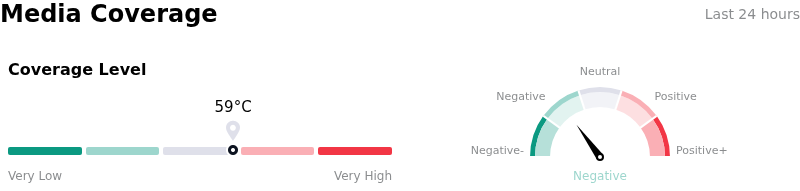
In terms of media coverage, Oracle Corp (ORCL) shows a coverage score of 59, indicating a moderate level of media attention. The overall market sentiment index is currently in bearish zone.
Fundamental Analysis of Oracle Corp (ORCL)
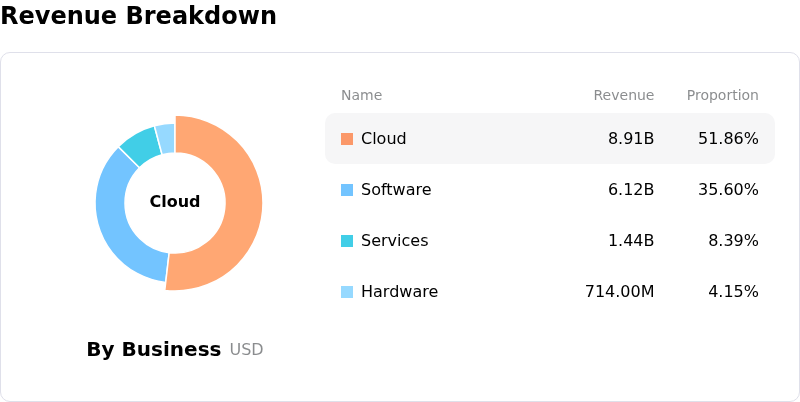
Oracle Corp (ORCL) is in the Software & IT Services industry. Its latest annual revenue is $67.36B, ranking 8 in the industry. The net profit is $16.98B, ranking 6 in the industry. Company Profile
Over the past month, multiple analysts have rated the company as Buy, with an average price target of $254.42, a high of $400.00, and a low of $110.00.
More details about Oracle Corp (ORCL)
Company Specific Risks:
- AI Infrastructure Fulfillment Delays: Recent analyst reports indicate that Oracle is facing significant backlog challenges for its OCI (Oracle Cloud Infrastructure) due to ongoing GPU supply constraints, leading to concerns that enterprise customers may migrate to larger hyperscalers like AWS or Azure to meet immediate AI deployment timelines.
- Margin Erosion from Aggressive CapEx: To compete in the generative AI space, Oracle has significantly increased its capital expenditure guidance for data center expansion; institutional investors are signaling concern that these massive upfront costs will compress operating margins and restrict free cash flow growth through the next fiscal year.
- Cerner Integration and Revenue Stagnation: Internal reports and recent filings highlight continued friction in transitioning the Cerner healthcare unit to a SaaS model, with legacy contract churn exceeding expectations and slower-than-projected modernization of healthcare IT systems weighing on top-line growth.
- Regulatory Scrutiny of Licensing Practices: Renewed focus from European antitrust regulators regarding restrictive cloud software licensing and "vendor lock-in" strategies poses a legal risk that could force Oracle to decouple its software suite, potentially eroding the high-margin maintenance revenue of its legacy database business.
This article may include AI-generated content that is human-reviewed, which is for reference and general information purposes only and does not constitute investment advice.
Recommended Articles








Comments (0)
Click the $ button, enter the symbol, and select to link a stock, ETF, or other ticker.