


WTI Futures (USOIL-F) Is up 2.23% on Jul 23: What You Need to Watch



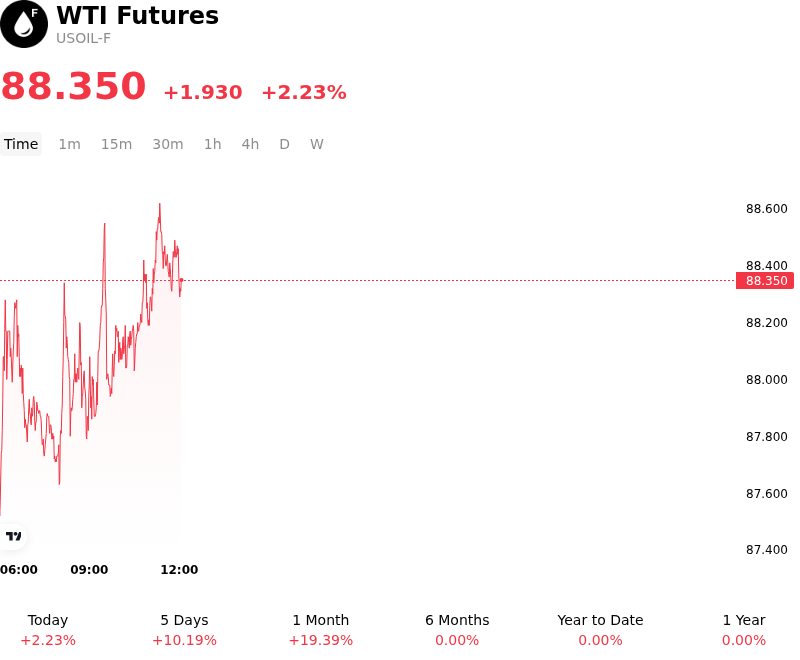
WTI Futures (USOIL-F) is up 2.23% at Jul 23 00:05(ET), now at $88.35, with a 7-day up of 11.13%.
What is driving WTI Futures (USOIL-F)’s stock price up today?
The advance in West Texas Intermediate crude is primarily driven by a sharp contraction in domestic inventories, suggesting that the peak summer driving season is drawing down stocks faster than market participants had anticipated. Recent data from the Energy Information Administration indicates a substantial drain in commercial crude reserves, particularly at the Cushing, Oklahoma storage hub, which has raised concerns regarding localized supply tightness. This physical market tightening is being compounded by reports of unplanned production outages in North Africa and the North Sea, which have constrained light sweet crude availability at a time when refinery utilization rates remain near seasonal highs.
Beyond immediate inventory data, the market is pricing in a heightened risk premium due to renewed geopolitical instability affecting critical maritime corridors. Investors are increasingly concerned that escalating regional tensions could disrupt transit through major chokepoints, potentially removing a significant volume of daily supply from global markets. This risk is exacerbated by the current OPEC+ production strategy, as the alliance maintains its commitment to output discipline, signaling that any supply gap would likely persist through the current quarter rather than being immediately bridged by the deployment of spare capacity.
Macroeconomic conditions are providing additional tailwinds for the energy complex. A notable softening in the US Dollar, triggered by shifting expectations regarding Federal Reserve policy and a series of cooling inflation prints, has made dollar-denominated commodities more attractive to international buyers. This currency-driven bid is occurring alongside a stabilizing demand outlook in major manufacturing hubs, where industrial activity is showing signs of resilience despite broader global headwinds. The convergence of these factors suggests a transition from a period dominated by oversupply fears toward a more balanced, and potentially undersupplied, global market outlook for the remainder of the year.
From an institutional perspective, the price action reflects a structural repricing of the supply-demand balance. Traders are shifting away from defensive positioning as the fundamentals of the physical market begin to outweigh previous concerns regarding a global slowdown. While high interest rates have historically acted as a drag on energy prices, the current combination of robust seasonal demand and disciplined supply management is creating a floor for the market, encouraging capital inflows back into the energy sector as participants hedge against further inventory depletion.
Technical Analysis of WTI Futures (USOIL-F)
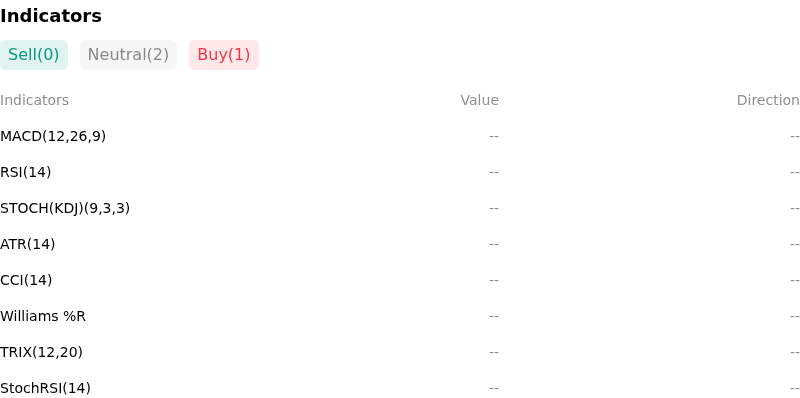
Technically, WTI Futures (USOIL-F) shows a MACD (12,26,9) value of 0.000, indicating a neutral signal. The RSI at 66.006 suggests neutral condition and the Williams %R at 1.582 suggests overbought condition. Please monitor closely.
More details about WTI Futures (USOIL-F)
Recent Events and Risks:
- Unexpected EIA Inventory Build: The U.S. Energy Information Administration (EIA) reported a commercial crude inventory increase of 5.5 million barrels for the week ending October 18, significantly exceeding analyst expectations of a 270,000-barrel build and signaling a softening domestic supply-demand balance.
- Waning Geopolitical Risk Premium: Renewed diplomatic efforts toward a ceasefire in the Middle East and reports that Israel may avoid targeting Iranian energy infrastructure have led to a sharp contraction in the "war premium," triggering technical long-liquidation in WTI futures.
- Persistent Chinese Demand Concerns: Market participants remain bearish due to lacklustre economic data from China, where refinery throughput has declined year-over-year and stimulus measures have yet to demonstrate a tangible impact on physical crude consumption.
- Stronger U.S. Dollar Headwinds: The U.S. Dollar Index (DXY) has maintained a multi-month high, creating significant price pressure on dollar-denominated commodities and incentivizing macro-driven sell-offs as crude becomes more expensive for holders of other currencies.
This article may include AI-generated content that is human-reviewed, which is for reference and general information purposes only and does not constitute investment advice.
Recommended Articles










Comments (0)
Click the $ button, enter the symbol, and select to link a stock, ETF, or other ticker.