


WTI Futures (USOIL-F) Is up 2.39% on Jul 20: Why It Happened



WTI Futures (USOIL-F) is up 2.39% at Jul 20 00:05(ET), now at $83.67, with a 7-day up of 7.32%.
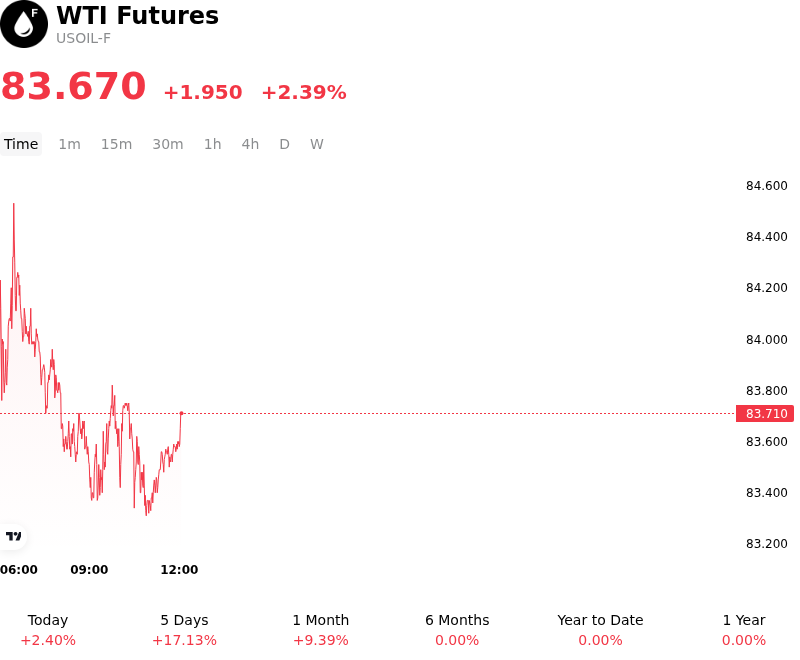
What is driving WTI Futures (USOIL-F)’s stock price up today?
The upward momentum in WTI crude futures is primarily driven by an escalation of geopolitical tensions in the Middle East, which has reignited concerns over potential supply disruptions along critical maritime transit routes. Reports of increased friction near the Strait of Hormuz have prompted institutional investors to re-establish a risk premium in energy prices, as any physical bottleneck in the region would significantly tighten the global balance at a time when spare capacity remains concentrated within a few OPEC+ members. This supply-side anxiety is being compounded by fresh reports of production outages in North Africa, further limiting the immediate availability of light sweet grades that are highly valued by global refiners.
On the demand side, the market is reacting to robust high-frequency data from the United States, indicating that the summer driving season is reaching its peak with gasoline consumption exceeding historical averages. This seasonal strength is being mirrored by a sharp uptick in refinery utilization rates as operators scramble to replenish gasoline and middle distillate stocks. Investors are also closely monitoring recent inventory trends, which suggest a larger-than-anticipated drawdown in crude stockpiles at Cushing, Oklahoma. The persistent drainage of inventories at the WTI delivery hub is creating upward pressure on the front-end of the futures curve, signaling a physically tight market in the immediate term.
Macroeconomic tailwinds are further supporting the bid for dollar-denominated commodities. Recent cooling in inflationary indicators has led to a synchronized repricing of Federal Reserve policy expectations, with the market now discounting a more accommodative path toward interest rate normalization. The resulting weakness in the US dollar index has enhanced the purchasing power of international buyers, stimulating broader capital inflows into the energy complex. As financial conditions ease, speculative positioning has shifted toward a more net-long stance, with systematic trend-following funds providing additional liquidity to the upside move.
While the current rally reflects these immediate supply-demand imbalances, the structural outlook remains contingent on upcoming OPEC+ ministerial guidance. Traders are weighing the likelihood of the alliance maintaining current output curbs through the end of the year against the possibility of a gradual phase-out of voluntary cuts. However, with global inventories currently trending below their five-year seasonal averages and geopolitical volatility remaining elevated, the market is currently prioritizing security of supply over long-term demand uncertainty.
Technical Analysis of WTI Futures (USOIL-F)
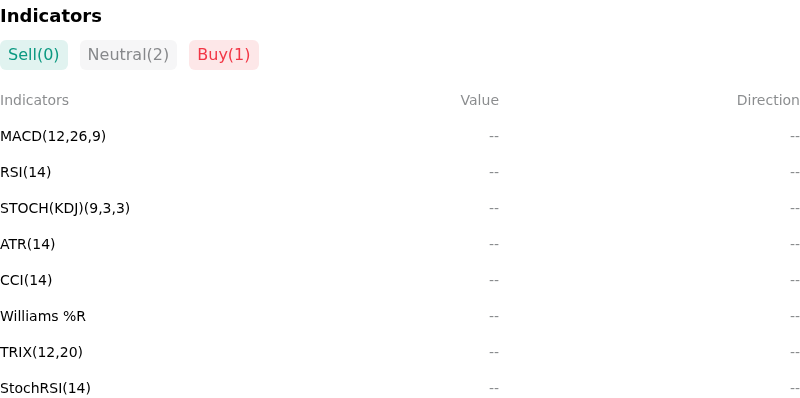
Technically, WTI Futures (USOIL-F) shows a MACD (12,26,9) value of 0.000, indicating a neutral signal. The RSI at 58.500 suggests neutral condition and the Williams %R at 5.530 suggests overbought condition. Please monitor closely.
More details about WTI Futures (USOIL-F)
Recent Events and Risks:
- OPEC+ Production Phase-Out: The recent decision by OPEC+ to begin unwinding 2.2 million barrels per day of voluntary production cuts starting in October has triggered significant downside volatility, as market participants anticipate a supply surplus in late 2024 and 2025.
- Surprise US Inventory Builds: Industry data from the American Petroleum Institute reported a substantial crude stock build of over 4 million barrels for the most recent week, contradicting expectations of a seasonal drawdown and fueling concerns over weakening domestic demand at the start of the summer driving season.
- Deteriorating Refining Margins: Narrowing crack spreads for gasoline and middle distillates indicate that refinery profitability is under pressure, raising the risk of reduced refinery run rates which would further decrease crude oil demand and lead to storage accumulation at Cushing.
- Macroeconomic Demand Headwinds: Recent soft U.S. manufacturing data and a cautious outlook on interest rate cuts from the Federal Reserve have intensified "risk-off" sentiment, as high borrowing costs continue to dampen industrial energy consumption and global trade activity.
This article may include AI-generated content that is human-reviewed, which is for reference and general information purposes only and does not constitute investment advice.
Recommended Articles










Comments (0)
Click the $ button, enter the symbol, and select to link a stock, ETF, or other ticker.