


General Electric Co Stock (GE) Moved Down by 4.08% on Jul 16: Key Drivers Unveiled



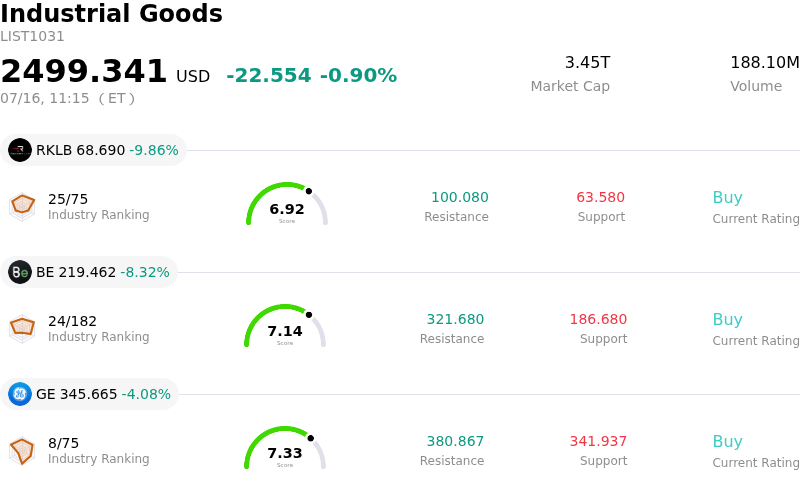
General Electric Co (GE) moved down by 4.08%. The Industrial Goods sector is down by 0.90%. The company underperformed the industry. Top 3 stocks by turnover in the sector: Rocket Lab USA Inc (RKLB) down 9.86%; Bloom Energy Corp (BE) down 8.32%; General Electric Co (GE) down 4.08%.
What is driving General Electric Co (GE)’s stock price down today?
GE Aerospace is experiencing a notable decline today, driven largely by emerging concerns regarding the durability of its next-generation engine components and a cautious shift in broader market sentiment toward the industrial sector. As the company continues its life as a standalone aerospace entity, investor scrutiny has intensified around its ability to meet aggressive delivery schedules for narrow-body aircraft engines. Recent reports suggesting potential bottlenecks in the high-grade alloy supply chain appear to be weighing on the stock, as these logistical hurdles threaten to compress operating margins in the short term.
The downward movement is further exacerbated by industry-wide anxieties following a conservative outlook provided by a major commercial air carrier earlier this morning. While GE remains a dominant player in the highly profitable aftermarket services segment, any signal that global flight hours might peak or stabilize sooner than anticipated tends to trigger immediate profit-taking. Institutional investors, who have heavily favored the stock since its successful corporate restructuring, may be recalibrating their positions in response to a rising yield environment that makes capital-intensive industrial stocks less attractive on a relative basis.
From a technical perspective, the breach of recent support levels has invited increased selling pressure from momentum-driven algorithms. Market participants are also keeping a close eye on geopolitical developments that could influence international defense spending and export licenses. With a scheduled earnings announcement approaching, the current volatility reflects a cautious stance among traders, with the market discounting the possibility of a conservative revision in full-year free cash flow guidance due to ongoing labor shortages in specialized manufacturing.
Furthermore, the broader macroeconomic backdrop, characterized by recent inflationary data that remains stickier than expected, is fueling fears of prolonged high borrowing costs. For a company like GE, which relies on the long-term financing cycles of its airline customers, a persistent high-rate environment poses a headwind to new equipment order growth. Until the company provides clear evidence that supply chain constraints are easing and that its margin expansion remains on track, the stock is likely to face continued headwinds from institutional portfolio rebalancing and risk-off sentiment across the industrial complex.
Technical Analysis of General Electric Co (GE)
Technically, General Electric Co (GE) shows a MACD (12,26,9) value of -7.293, indicating a neutral signal. The RSI at 56.429 suggests neutral condition and the Williams %R at 73.109 suggests sell condition. Please monitor closely.
Media Coverage of General Electric Co (GE)
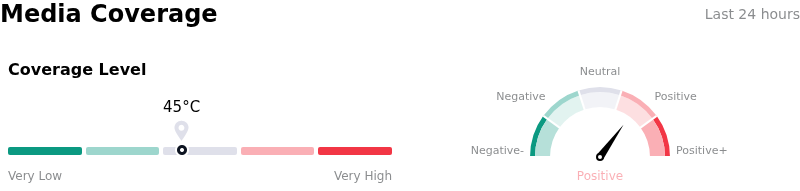
In terms of media coverage, General Electric Co (GE) shows a coverage score of 45, indicating a moderate level of media attention. The overall market sentiment index is currently in bullish zone.
Fundamental Analysis of General Electric Co (GE)
General Electric Co (GE) is in the Industrial Goods industry. Its latest annual revenue is $45.85B, ranking 5 in the industry. The net profit is $8.70B, ranking 1 in the industry. Company Profile
Over the past month, multiple analysts have rated the company as Buy, with an average price target of $380.46, a high of $455.00, and a low of $270.00.
More details about General Electric Co (GE)
Company Specific Risks:
- Supply Chain Execution Constraints: Recent industry data and analyst reports indicate persistent bottlenecks in the procurement of high-precision castings and specialized aerospace alloys, which threaten to delay the production ramp-up of the LEAP and GE9X engine programs and impact near-term delivery targets.
- Aftermarket Margin Compression: Elevated labor costs and logistical inefficiencies within the Maintenance, Repair, and Overhaul (MRO) network are driving up the cost-per-shop-visit, creating concerns that high-margin service revenue may not offset inflationary pressures as effectively as previously modeled.
- Engine Durability and Warranty Liability: Emerging technical scrutiny regarding the durability of High-Pressure Turbine (HPT) components in harsh operating environments has raised the possibility of increased warranty provisions and accelerated maintenance cycles, potentially weighing on free cash flow projections.
- Defense Procurement Uncertainty: Recent legislative discussions regarding U.S. defense budget reallocations and potential delays in long-term propulsion contracts have introduced volatility into the Defense & Systems segment, as investors reassess the stability of the company's multibillion-dollar defense backlog.
This article may include AI-generated content that is human-reviewed, which is for reference and general information purposes only and does not constitute investment advice.
Recommended Articles









Comments (0)
Click the $ button, enter the symbol, and select to link a stock, ETF, or other ticker.