


Aluminium (ALUMINIUM) Is down by 2.02% on Jul 10: Is the Demand Outlook Changing?



Aluminium (ALUMINIUM) is down 2.02% at Jul 10 06:50(ET), now at $3143.6, with a 7-day up of 2.46%.
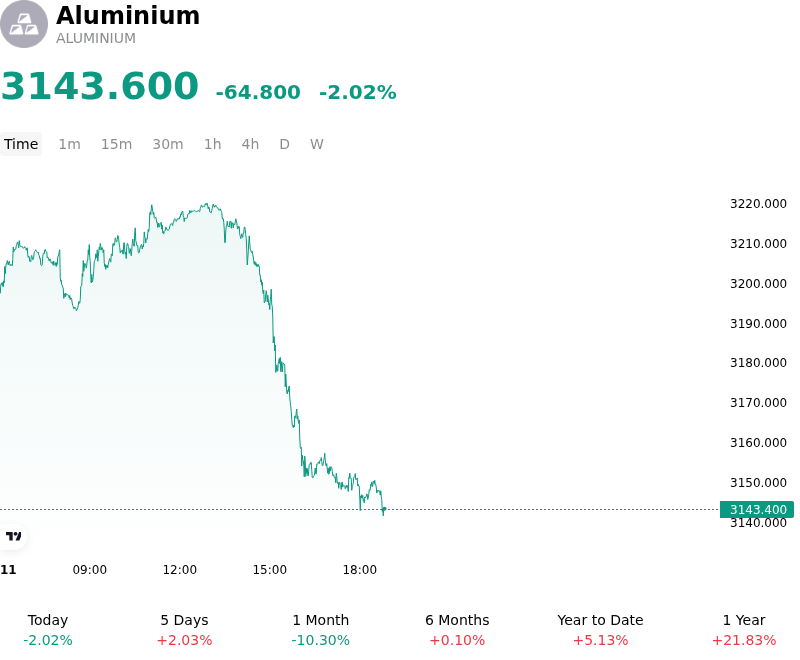
What is driving Aluminium (ALUMINIUM)’s stock price down today?
The downward pressure on aluminum prices is primarily driven by a combination of deteriorating demand signals from China and a significant influx of stocks into London Metal Exchange registered warehouses. Recent manufacturing Purchasing Managers Index data from major Asian economies has underscored a contraction in industrial activity, particularly within the automotive and construction sectors, which are the primary consumers of the metal. This cooling demand outlook has prompted institutional investors to recalibrate their long positions, leading to accelerated technical selling as key support levels were breached.
Inventory dynamics have played a critical role in the session's volatility. A substantial delivery into exchange-monitored warehouses, particularly in Asian locations, has eased immediate concerns regarding physical tightness. This sudden increase in available supply suggests that the previous tightness in the spot market was transitory, shifting the forward curve into a deeper contango. Market participants are interpreting these inflows as a sign that surplus metal from primary smelters is failing to find end-user buyers, thereby forcing it into exchange storage.
On the macroeconomic front, a resurgent US dollar has created a significant headwind for the broader base metals complex. Expectations of a more restrictive monetary policy stance from the Federal Reserve, following persistent inflationary data, have bolstered the greenback, making dollar-denominated commodities more expensive for international buyers. This currency strength, coupled with rising real yields, has diminished the appeal of non-yielding assets, leading to broader capital outflows from industrial metal exchange-traded funds and speculative accounts.
Furthermore, falling energy costs in key smelting hubs have lowered the marginal cost of production, effectively lowering the price floor for the metal. As power prices stabilize or decline in Europe and parts of Asia, the supply-side constraints that previously supported higher prices have begun to dissipate. While geopolitical risks and potential trade barriers remain a long-term concern for global supply chains, the immediate focus of the market has shifted toward the reality of surplus production capacity meeting a softening global growth environment. This fundamental shift from a deficit-driven narrative to a surplus-risk environment continues to weigh on investor sentiment.
Technical Analysis of Aluminium (ALUMINIUM)
Technically, Aluminium (ALUMINIUM) shows a MACD (12,26,9) value of 21.650, indicating a neutral signal. The RSI at 38.941 suggests neutral condition and the Williams %R at 67.420 suggests sell condition. Please monitor closely.
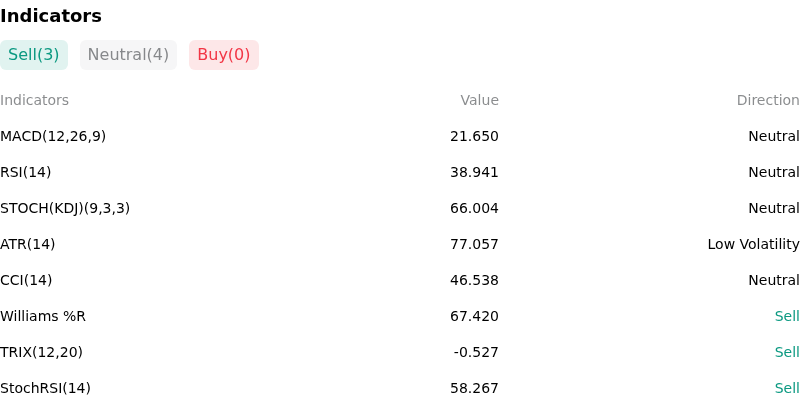
More details about Aluminium (ALUMINIUM)
Recent Events and Risks:
- China Industrial Demand Weakness: Recent manufacturing activity data and a continued lack of aggressive property-sector stimulus in China have heightened concerns over sluggish domestic consumption, leading to a reduction in orders for primary aluminium and weighing heavily on Shanghai Futures Exchange (SHFE) sentiment.
- Surge in LME On-Warrant Stocks: A significant increase in metal deliveries to London Metal Exchange warehouses over the last 48 hours has signaled a widening physical market surplus, triggering intraday selling as traders react to the sudden availability of prompt-date material and rising inventory levels in Asian ports.
- U.S. Dollar Strength and Macro Pressure: Recent hawkish signals from central bank officials regarding persistent inflation have driven a rally in the U.S. Dollar Index, making aluminium more expensive for international buyers and forcing the liquidation of speculative long positions in the futures market.
- Descending Energy Cost Support: A recent dip in regional natural gas and thermal coal prices has lowered the production cost floor for smelters in Europe and Asia, increasing the risk of higher global output levels and eroding the historical price support previously provided by high energy inputs.
This article may include AI-generated content that is human-reviewed, which is for reference and general information purposes only and does not constitute investment advice.
Recommended Articles






Comments (0)
Click the $ button, enter the symbol, and select to link a stock, ETF, or other ticker.