


Merck & Co Inc Stock (MRK) Moved Up by 3.23% on Jun 23: Key Drivers Unveiled



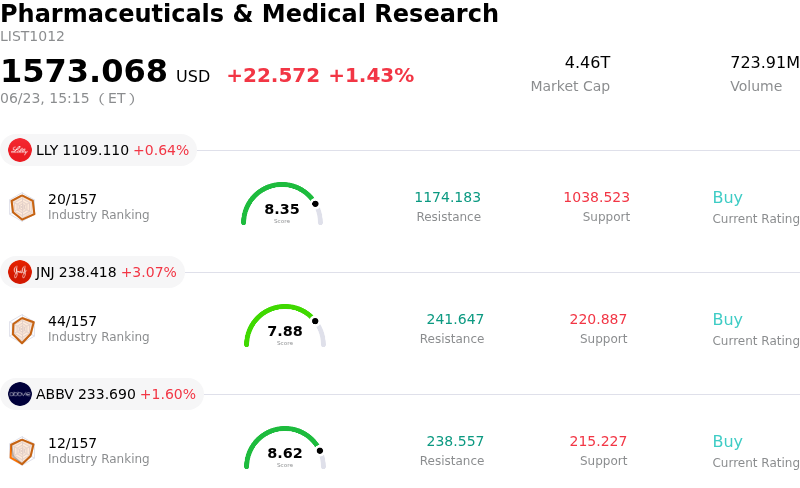
Merck & Co Inc (MRK) moved up by 3.23%. The Pharmaceuticals & Medical Research sector is up by 1.43%. The company outperformed the industry. Top 3 stocks by turnover in the sector: Eli Lilly and Co (LLY) up 0.64%; Johnson & Johnson (JNJ) up 3.07%; AbbVie Inc (ABBV) up 1.60%.
What is driving Merck & Co Inc (MRK)’s stock price up today?
Merck & Co. saw a significant positive upward movement in its stock following key breakthroughs in its late-stage immunology pipeline. The primary driver of investor optimism was the announcement of positive topline results from the Phase 3 ATLAS-UC induction study evaluating tulisokibart, an investigational humanized monoclonal antibody targeting tumor necrosis factor-like cytokine 1A. In patients with moderately to severely active ulcerative colitis, the therapy successfully met its primary endpoint of clinical remission at week 12 alongside key secondary endpoints, with no new safety concerns identified.
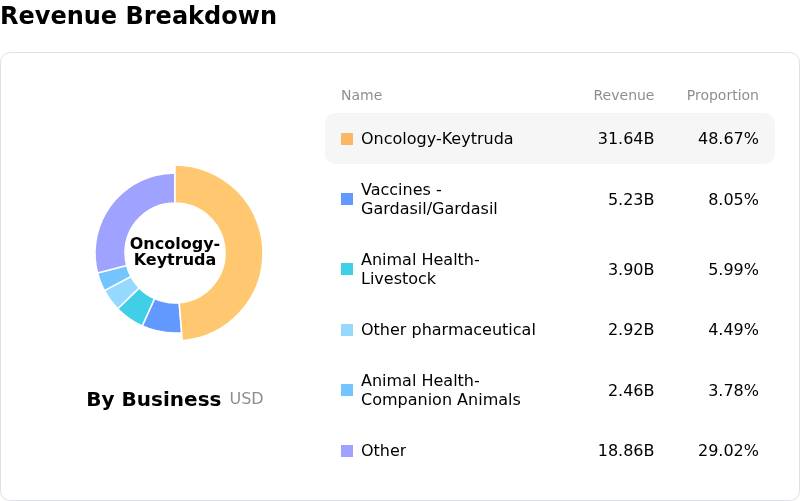
This success marks a crucial milestone as tulisokibart is the first anti-TL1A biologic to demonstrate positive Phase 3 induction results. The news is highly strategic for Merck, which has been actively working to diversify its product portfolio beyond oncology. While the blockbuster cancer immunotherapy Keytruda remains the company’s chief revenue engine, it is scheduled to face patent expiration in 2028. Establishing a strong footprint in the immunology space via tulisokibart is viewed by Wall Street as a powerful buffer against that eventual revenue headwind.
Market sentiment was further bolstered by favorable analyst commentary regarding the drug's long-term commercial potential. Industry analysts project peak annual sales for tulisokibart could surpass five billion dollars by the late 2030s. Although some investors noted a lack of detailed quantitative data in the initial release, the broader consensus remains highly optimistic, especially given Merck’s historical practice of presenting full data sets at upcoming medical congresses. This pipeline win, combined with other recent milestones such as the regulatory approvals for Keytruda plus Welireg and the commercial progress of Capvaxive, underscores the strength of Merck's acquisition and licensing strategies, which have nearly tripled its late-phase pipeline since 2021.
Furthermore, the clinical success helps alleviate concerns surrounding near-term generic competition for some of Merck’s older established drugs, including Bridion and Januvia, which are expected to face revenue erosion starting this year. By showcasing its ability to successfully translate high-value acquisitions into clinical victories, Merck has reassured investors of its long-term growth pipeline. This renewed focus on its clinical pipeline and attractive valuation discount relative to intrinsic fair value estimates ultimately fueled the strong buying pressure and intraday volatility observed in the stock.
Technical Analysis of Merck & Co Inc (MRK)
Technically, Merck & Co Inc (MRK) shows a MACD (12,26,9) value of -1.181, indicating a neutral signal. The RSI at 47.212 suggests neutral condition and the Williams %R at 67.115 suggests sell condition. Please monitor closely.
Media Coverage of Merck & Co Inc (MRK)
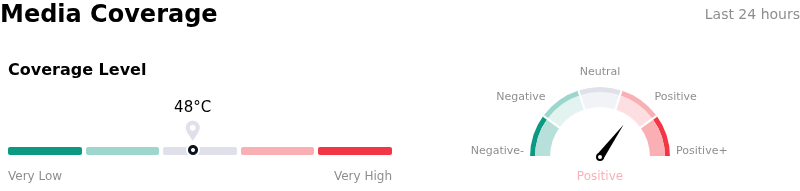
In terms of media coverage, Merck & Co Inc (MRK) shows a coverage score of 48, indicating a moderate level of media attention. The overall market sentiment index is currently in bullish zone.
Fundamental Analysis of Merck & Co Inc (MRK)
Merck & Co Inc (MRK) is in the Pharmaceuticals & Medical Research industry. Its latest annual revenue is $65.01B, ranking 5 in the industry. The net profit is $18.25B, ranking 3 in the industry. Company Profile
Over the past month, multiple analysts have rated the company as Buy, with an average price target of $129.52, a high of $150.00, and a low of $100.00.
More details about Merck & Co Inc (MRK)
Company Specific Risks:
- Following Merck’s June 22, 2026, announcement of positive Phase 3 results for its autoimmune drug candidate tulisokibart in ulcerative colitis, institutional analysts expressed caution over the lack of specific quantitative efficacy data, while noting that its intravenous administration route poses a competitive disadvantage compared to Roche’s subcutaneous alternative, afimkibart.
- Institutional commentary on June 22, 2026, highlighted that sales of Gardasil—Merck's second-largest product—continue to decline in key international markets, particularly China and Japan, due to macroeconomic slowdowns and weak demand, clouding the outlook for the company's vaccine portfolio through 2026.
- The high-profile discontinuation of the Phase 3 KEYNOTE-D46/EVOKE-03 trial for Keytruda in combination with Trodelvy in first-line non-small cell lung cancer has created significant clinical development setbacks, amplifying investor concerns regarding the competitiveness of Merck's oncology pipeline.
- Long-term revenue risk remains severe due to the impending 2028 patent expiration of Merck's flagship blockbuster drug Keytruda, which is further threatened by the proposed Centers for Medicare & Medicaid Services (CMS) permanent drug price negotiations slated to begin in 2029.
This article may include AI-generated content that is human-reviewed, which is for reference and general information purposes only and does not constitute investment advice.
Recommended Articles







Comments (0)
Click the $ button, enter the symbol, and select to link a stock, ETF, or other ticker.