


RTX Corp Stock (RTX) Moved Down by 3.61% on Jun 20: Drivers Behind the Movement



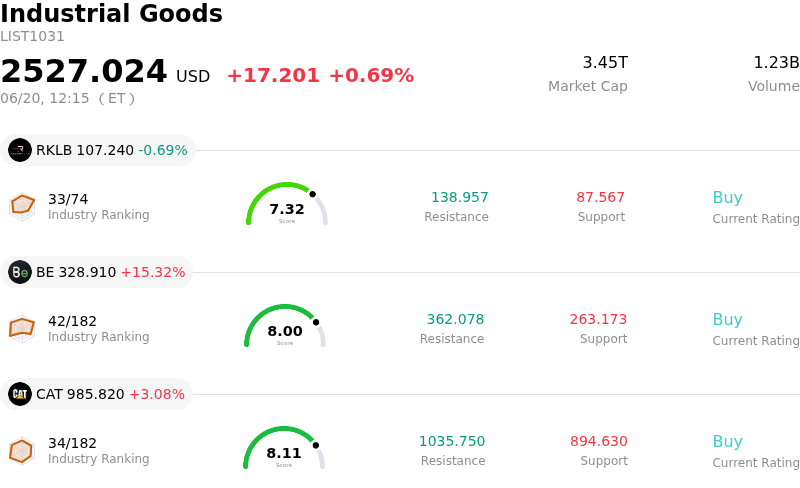
RTX Corp (RTX) moved down by 3.61%. The Industrial Goods sector is up by 0.69%. The company underperformed the industry. Top 3 stocks by turnover in the sector: Rocket Lab USA Inc (RKLB) down 0.69%; Bloom Energy Corp (BE) up 15.32%; Caterpillar Inc (CAT) up 3.08%.
What is driving RTX Corp (RTX)’s stock price down today?
RTX Corporation experienced downward pressure during the most recent trading session, primarily driven by a combination of de-escalating geopolitical tensions, persistent macroeconomic headwinds, and localized operational execution concerns.
A major catalyst impacting the defense sector was the sudden easing of Middle East tensions. The announcement of a peace agreement between the United States and Iran, aiming to restore stability in the region and reopen critical shipping corridors, led to a sharp deflation of the geopolitical risk premiums that had previously buoyed aerospace and defense stocks. Institutional investors, who had previously utilized defense contractors as hedges against international friction, engaged in significant profit-taking, prompting a broader sell-off across the sector.
On the macroeconomic front, broader investor sentiment was dampened by persistent worries regarding the Federal Reserve's hawkish policy stance. High-for-longer interest rates continue to pressure capital-intensive industrial firms like RTX. For a company managing substantial operational and financial leverage, elevated capital costs restrict short-term liquidity and compress industrial valuations, contributing to the stock's underperformance relative to the broader market.
Furthermore, market participants remain intensely focused on RTX's internal execution and supply chain vulnerabilities rather than its demand metrics. Although the company boasts a record order backlog exceeding two hundred and seventy billion dollars, converting these orders into realized revenue remains a bottleneck. Stalled progress on specialized metal castings and forgings has kept repair turnaround times elevated at Pratt and Whitney, maintaining a significant cash drain from Geared Turbofan engine liabilities and litigation.
Additionally, the defense segment faces margin compression as mature, high-margin legacy programs are replaced by newer fixed-price development contracts. These contracts are highly susceptible to cost overruns, raw material inflation, and tariff headwinds, which RTX must absorb internally.
Finally, corporate developments including the divestiture of Blue Canyon Technologies to MDA Space for six hundred and twenty million dollars in cash added to the active intraday volume. While the deal provides a near-term liquidity boost, it reflects a strategic shift that divests certain small-satellite capabilities, leaving investors to weigh the long-term trade-offs of the transaction amidst pressing operational challenges.
Technical Analysis of RTX Corp (RTX)
Technically, RTX Corp (RTX) shows a MACD (12,26,9) value of 2.881, indicating a buy signal. The RSI at 55.268 suggests neutral condition and the Williams %R at 39.639 suggests buy condition. Please monitor closely.
Media Coverage of RTX Corp (RTX)
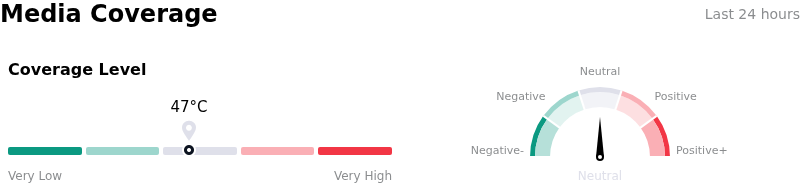
In terms of media coverage, RTX Corp (RTX) shows a coverage score of 47, indicating a moderate level of media attention. The overall market sentiment index is currently in neutral zone.
Fundamental Analysis of RTX Corp (RTX)
RTX Corp (RTX) is in the Industrial Goods industry. Its latest annual revenue is $88.60B, ranking 2 in the industry. The net profit is $6.73B, ranking 2 in the industry. Company Profile
Over the past month, multiple analysts have rated the company as Buy, with an average price target of $207.29, a high of $240.00, and a low of $115.00.
More details about RTX Corp (RTX)
Company Specific Risks:
- Deflation of Geopolitical Risk Premiums: The announcement of the US-Iran peace agreement on June 18, 2026, has deflated geopolitical risk premiums across the defense sector, triggering immediate institutional profit-taking and downward trading pressure on RTX's military portfolio.
- Escalating GTF Engine Litigation and Cash Drains: RTX's Pratt & Whitney division continues to experience severe financial liabilities stemming from Geared Turbofan (GTF) engine issues, including active litigation over Airbus delivery delays, potential airline operator lawsuits, and an estimated loss of $1 million on each new engine delivery.
- Backlog Conversion and Supply Chain Bottlenecks: Despite holding a record order backlog of $271 billion, RTX remains highly vulnerable to supply chain execution risks, where persistent bottlenecks in critical parts (like rocket motors and castings) and labor shortages slow manufacturing timelines and delay revenue recognition.
- Margin Dilution from Fixed-Price Defense Contracts: Raytheon's defense segment faces ongoing margin compression on fixed-price contracts driven by unmitigated tariff headwinds, raw material inflation, and cost overruns, which dilutes overall profitability as lower-margin agreements replace legacy programs.
This article may include AI-generated content that is human-reviewed, which is for reference and general information purposes only and does not constitute investment advice.
Recommended Articles






Comments (0)
Click the $ button, enter the symbol, and select to link a stock, ETF, or other ticker.