


US-Iran Talks Take Sudden Turn: Iran Walks Out in Protest, Trump Threatens to 'Strike Iran Again' as US Stock Indexes Fall Across the Board



AI Podcast


US-Iran negotiations in Switzerland collapsed Sunday after an abrupt walkout by the Iranian delegation, citing US insults. Tensions escalated following the IRGC's closure of the Strait of Hormuz and Trump’s threats of renewed military strikes. Markets reacted sharply as Monday’s Asian session opened, with Brent crude rising 1.5% and S&P 500 futures falling 0.72%. While Vice President Vance characterized the talks as historic, the shift from nuclear concerns to Lebanon-related proxy conflicts dims prospects for a resolution. Investors remain cautious as Iran reaffirms its uranium enrichment stance, creating significant geopolitical risk and upward pressure on energy prices.
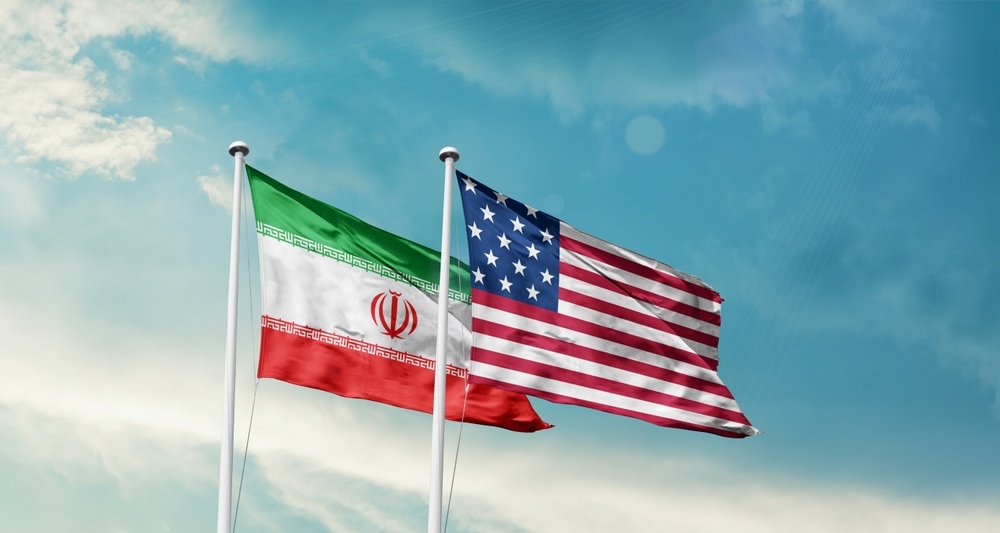
TradingKey - Negotiations between the US and Iranian delegations in Switzerland on Sunday took an abrupt turn. According to Iranian state media, after 80 minutes of talks, the Iranian delegation left the venue due to "insulting remarks" by the US side; meanwhile, Trump warned: "We will launch a very heavy strike against Iran again."
Triggered by this, Brent crude futures rose as much as 1.5% after the opening of Monday's Asian session, and WTI crude also gained over 1%; US stock index futures fell across the board, with S&P 500 futures down 0.72% and Nasdaq 100 futures dropping over 1%.
This round of negotiations marks the first formal talks between the US and Iran since the signing of a memorandum of understanding (MoU). US Vice President JD Vance led the delegation, which was attended by Iranian Foreign Minister Abbas Araghchi and Iranian Parliament Speaker Mohammad Bagher Ghalibaf, with Pakistan and Qatar serving as mediators.
However, before the negotiations began, tensions had already escalated. The Islamic Revolutionary Guard Corps (IRGC) announced on Saturday the closure of the Strait of Hormuz in response to Israeli attacks on Hezbollah in Lebanon, following a 60-day ceasefire previously agreed upon by both the US and Iran.
According to the original plan, the main subject of negotiations between the US and Iran after signing the MoU was supposed to be Iran's nuclear program, but priority was actually given to Lebanon-related issues in this session.
Sources revealed that a handshake photo opportunity had been scheduled for the US and Iranian sides, but the Iranian delegation flatly rejected it. Iranian state media reported that the Iranian delegation met with Qatari mediators before leaving the venue. The negotiating team led by Ghalibaf did not take their seats until about 15 minutes after the media had departed.
Trump warned on Sunday that Hezbollah, Iran's highly paid proxy in Lebanon, was causing trouble, and if Iran did not stop them immediately, the US would strike Iran again. The conflict between Lebanon and Israel is a proxy war; while Hezbollah is nominally Lebanese, its funding and strategy actually come from Iran, essentially striking Israel on Iran's behalf.
Trump posted on Truth Social: "If they (Iran) do not do this, we will hit Iran very hard again, just as we did last week, and only harder!!!" Trump also said Sunday that he has warned Iran that if the Strait of Hormuz is closed, the US will blow Iran "to smithereens." In an interview with Fox News on Sunday, Trump even stated that if no deal is reached, the US will become the "guardian" of the Strait of Hormuz and collect 20% of the Middle East's oil revenues, adding that it "could take over the Strait of Hormuz if necessary."
In response to the US military threats, Ghalibaf countered on Sunday that US threats do not work on Iran, warning the US to watch its words as the Iranian armed forces are prepared to respond.
Despite the tensions, Vance still characterized the talks as "historic" and stated that "significant progress has been made over the last few hours."
The market is likely to be more pessimistic about the nuclear negotiations, which were originally scheduled to be completed within 60 days. According to media reports, Iran currently stockpiles over 9,000 kilograms of enriched uranium, including 440 kilograms of near-weapons-grade material. Iranian President Masoud Pezeshkian stated before the talks: "We will not give up our right to enrich uranium, and the other side has no choice but to accept this right." The MoU stipulates that both sides will establish a "mutually agreed" mechanism for the disposal of enriched uranium, but the detailed negotiations are expected to last for several weeks.
This content was translated using AI and reviewed for clarity. It is for informational purposes only.
Recommended Articles





Comments (0)
Click the $ button, enter the symbol, and select to link a stock, ETF, or other ticker.