


What Is Bitcoin? BTC Investment Methods, Account Opening and Pitfall Avoidance Tips



AI Podcast


Bitcoin, the largest decentralized digital asset with a capped supply of 21 million, has evolved from early regulatory resistance to mainstream financial integration, including U.S. strategic reserves and spot ETFs. Investment channels now span native crypto exchanges and traditional financial vehicles like ETFs and concept stocks. Beginners can trade by completing account registration, KYC, funding, and order placement. However, investors must remain vigilant against pervasive market risks, including fake platforms, guaranteed-return schemes, phishing links, and malicious wallet authorizations, emphasizing the need for robust compliance and security practices.
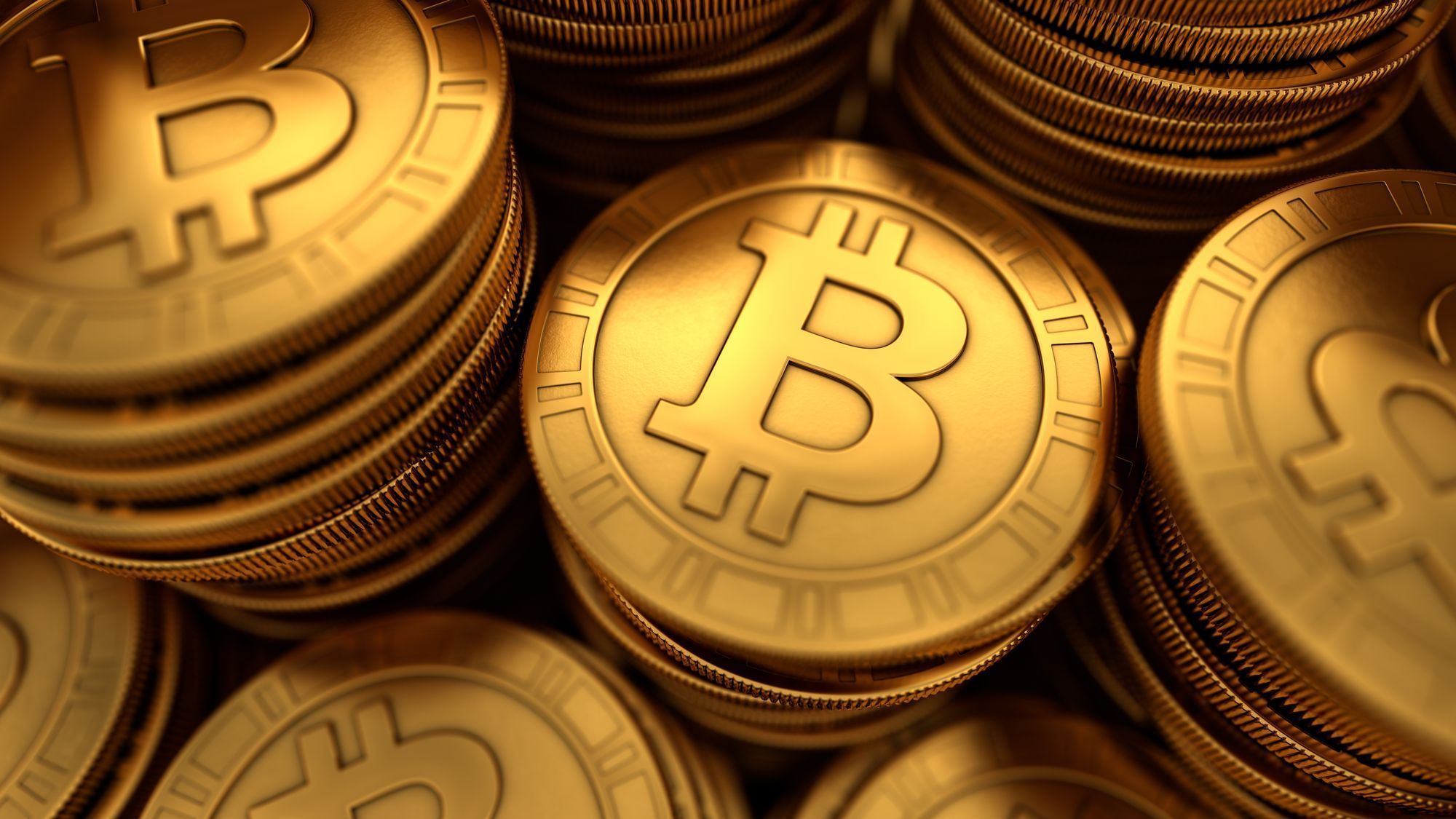
What Is Bitcoin?
TradingKey - Bitcoin (BTC) is the world's first decentralized digital asset and the largest cryptocurrency by market capitalization. Although the total supply of Bitcoin is capped at 21 million, its market cap reached $2.5 trillion at its peak and currently stands at around $1.6 trillion, surpassing tech giants of the same period such as Meta (META) and Tesla (TSLA), and holding a dominant position in the crypto market with a market cap share usually above 50%.
Bitcoin was created in late 2008 and officially launched in 2009. It is not issued or controlled by any government or central bank, which led to it being cracked down on or banned by many countries in its early days. Currently, it is gradually gaining acceptance, with the U.S. even viewing BTC as a national strategic reserve asset. Furthermore, it has entered traditional finance, including spot Bitcoin ETFs listing on exchanges such as Nasdaq and the NYSE, and using BTC as collateral to borrow fiat currency.
What Are the Investment Channels for Bitcoin?
After more than a decade of development, Bitcoin investment channels are diversifying. They are no longer limited to native cryptocurrency channels, as traditional financial channels can also be considered, as outlined below:
Investment Channel Category | Specific Channels / Targets | Asset Ownership | Target Investors |
Native Crypto Channels | Centralized Exchanges: Binance, Coinbase | Direct Ownership | Investors seeking frequent trading with high liquidity and compliance requirements |
Decentralized Exchanges: Uniswap, Hyperliquid | Full Control | Investors seeking absolute control over assets and prioritizing privacy | |
Traditional Financial Channels | Spot Bitcoin ETFs: IBIT, FBTC | Fund Shares | Novice or institutional investors accustomed to stock market trading who prioritize compliance and capital security |
Bitcoin Concept Stocks: MSTR, COIN | Equity Stakes | Investors who prefer equity assets and want to indirectly participate in the AI/blockchain trend | |
Futures & Trusts: CME Futures | Derivatives / Trusts | Professional or high-net-worth investors with derivatives experience |
Three Steps for Beginners to Open an Account and Trade Crypto
Beginners can easily trade cryptocurrencies by mastering the following three key steps:
1. Account Registration and Identity Verification (KYC): It is recommended to choose Binance, Coinbase, or a local compliant platform.
- Create an Account: Register via the official website or app of the corresponding exchange, using a commonly used email or mobile number to set a strong password.
- Complete Identity Verification (KYC): Prepare your ID card/passport and complete facial recognition; approval is typically granted within a few minutes to half an hour.
2. Deposit Funds: Acquire stablecoins such as USDT or USDC as the pricing medium for trading.
- Credit Card: Suitable for beginners making small transactions; enter your card number to quickly purchase USDT.
- Bank Transfer: Link a bank account to deposit fiat currency, which offers relatively lower conversion costs.
- Peer-to-Peer (P2P) Trading: Transfer funds directly to merchants to buy USDT via the exchange's escrow platform.
3. Place Spot Orders to Trade Crypto: Select a trading pair and complete your first trade.
- Search Trading Pairs: Search for the coin you want to buy on the trading page, such as BTC/USDT.
- Select Order Type: Market order (executed immediately) or limit order (triggered and executed only when the market price reaches the set level).
- Click "Buy": After confirming that the quantity and amount are correct, click buy; the tokens will automatically be deposited into your exchange spot wallet.
If purchasing Bitcoin ETFs or related concept stocks, you need to open a U.S. stock account. The operational process is largely the same as above, except that U.S. dollars are typically used instead of USDT.
Four Tips for Crypto Beginners to Avoid Pitfalls
Cryptocurrency is an emerging market with high anonymity, making crime difficult to detect and low-cost. As a result, the space is a mixed bag with various scam tactics, and beginners are most vulnerable to falling into traps due to information gaps and eagerness. Below are common scam schemes—stay vigilant and avoid them:
Fake exchanges: Directing you to download scam platform apps not listed on official websites or app stores. They show paper profits in the initial phase, but when you want to withdraw, they demand security deposits, personal income taxes, unfreezing fees, and more.
Guaranteed-profit investment platforms: Claiming daily returns of 1% to 3%, or offering AI automated crypto trading with guaranteed profits.
Fake customer service and unsolicited direct messages: On Telegram, Discord, X, or other social media apps, individuals reach out via direct message offering technical support or promises to help you make money.
Rug pulls: Believing community hype and purchasing new tokens with undisclosed project team backgrounds and highly concentrated supply, after which the developers drain the liquidity pool and flee.
In addition to the aforementioned scams, beginners must also beware of operational errors during investment, such as taking photos of seed phrases/private keys or saving them to cloud backups, clicking unknown links (which may be phishing sites), and indiscriminately granting wallet authorizations to third parties.
Conclusion
Bitcoin is the largest decentralized digital asset by market capitalization, with a total supply capped at 21 million coins, and has now been incorporated into the U.S. strategic reserve along with the issuance of spot ETFs. Investment can be made through channels such as exchanges or ETFs. Beginners need to complete registration and KYC, deposit funds, and place orders, while strictly guarding against fraud risks such as fake platforms, fake customer service, and malicious authorizations.
This content was translated using AI and reviewed for clarity. It is for informational purposes only.
Recommended Articles










Comments (0)
Click the $ button, enter the symbol, and select to link a stock, ETF, or other ticker.