


Brent Crude Surges 4% to $109 Amid Triple Supply Shock; Bernstein Warns Oil Could Rise to $150



AI Podcast


A drone attack on Saudi Arabia’s East-West pipeline and the postponement of Iran-Gulf diplomatic talks have intensified global energy supply pressures. Brent crude surged past $109 per barrel, with analysts warning of potential climbs to $150. Combined transit flows through critical chokepoints have plummeted significantly. With Yanbu port inventories sufficient for only several days and repair estimates spanning weeks, global supply faces a severe contraction. Meanwhile, geopolitical friction persists as regional diplomatic efforts stall, compounding risks to international energy markets.
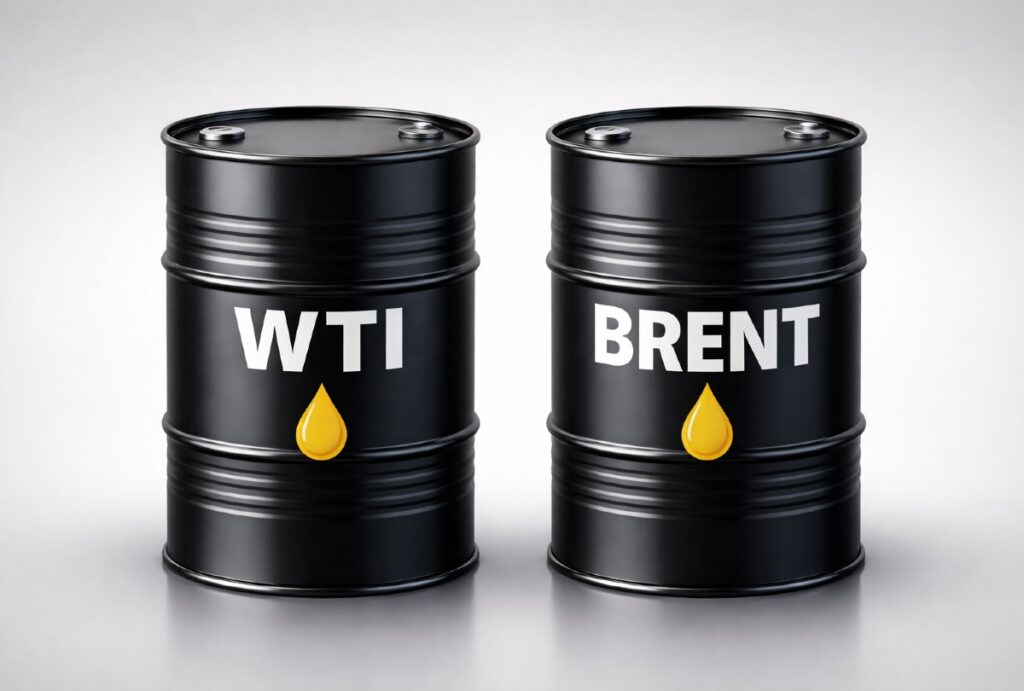
TradingKey - A drone attack forced the closure of a Saudi Arabian oil pipeline and diplomatic talks between Iran and Gulf nations were simultaneously postponed, a double blow that leaves global energy markets facing their most severe supply pressure in decades. Driven by supply contraction, Brent crude futures surged over 4% at one point to touch above $109 per barrel, while WTI crude was reported near $103.
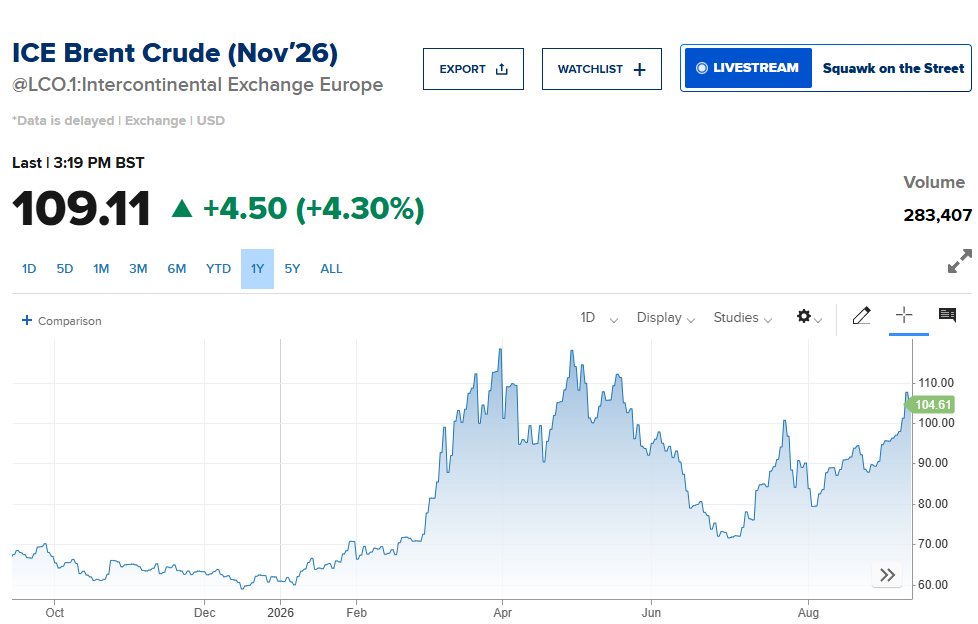
Brent Crude, Source: CNBC
Bernstein warned that with triple pressures compounding simultaneously—blocked transit through the Strait of Hormuz, disrupted Red Sea shipping, and the closure of Saudi Arabia's East-West pipeline—the global oil supply system is under unprecedented strain. Analysts at the firm warned that Brent crude could rise further to $120 to $150 per barrel. Meanwhile, U.S. Energy Secretary Chris Wright warned in Vienna against expecting a deal with Iran or a diplomatic breakthrough over the Strait of Hormuz.
It is reported that Saudi Arabia's East-West crude pipeline was damaged in a drone attack last Thursday and subsequently shut down by Riyadh. With a daily capacity of 7 million barrels, the pipeline is a core channel for maintaining Saudi exports while bypassing the Strait of Hormuz. Bloomberg data showed that combined transit flows through the Strait of Hormuz, the Bab-el-Mandeb Strait, and the Suez Canal have dropped below 7 million barrels per day, compared with about 20 million barrels per day prior to the conflict.
Reuters quoted traders as saying that if the pipeline cannot be restored in a timely manner, Saudi Arabia will exhaust its Red Sea export inventories. Inventories at the Port of Yanbu are sufficient for only five to seven days, and those at two Egyptian ports for only a few days, with estimated repair times ranging from several weeks to five or six weeks. International Energy Agency data showed that Saudi oil supply fell to a more than 30-year low in August, with global supply expected to decline by about 5.7 million barrels per day this year, a drop of roughly 6%.
Meanwhile, a regional meeting originally scheduled for the 14th in Salalah, Oman, has been postponed. This was set to be the first formal meeting between Iran and Gulf countries since the U.S. and Israel went to war with Iran in February this year. Omani Foreign Minister Badr Albusaidi stated that the postponement was "to seek consensus." Iran's Foreign Ministry countered that Saudi Arabia using the Yemen situation as a pretext was a diversion from the "root causes of the crisis." The original proposal intended to grant Iran authority over vessel passage.
This content was translated using AI and reviewed for clarity. It is for informational purposes only.
Recommended Articles











Comments (0)
Click the $ button, enter the symbol, and select to link a stock, ETF, or other ticker.