


What Is the International Energy Agency? What Role Do Strategic Energy Reserves Play in a Crisis?



AI Podcast


Recent geopolitical tensions have heightened concerns over energy supply disruptions, causing oil prices to surge. The International Energy Agency (IEA), established to counter such shocks, mandates member states to hold 90 days of oil import reserves. Strategic reserves, like the U.S. SPR, can be released to buffer against sudden supply shortfalls and stabilize prices. Historically, the IEA has coordinated reserve releases during crises, such as the Libyan civil war. The current Middle East conflict has refocused attention on these reserves as a tool to mitigate oil price volatility, impacting inflation expectations, industry valuations, and monetary policy considerations.
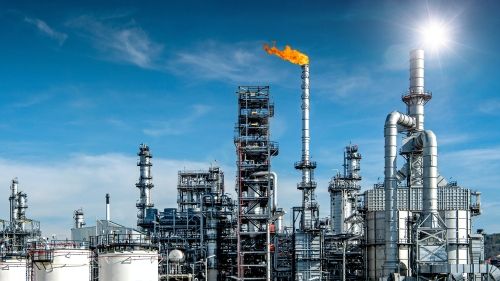
TradingKey - Recent military conflicts between the U.S. and Iran have reignited market concerns over energy supply disruptions. As some shipping activities were affected by Iranian restrictions on the Strait of Hormuz, international oil prices rose sharply, with Brent crude briefly surging past nearly $120 per barrel.
Against this backdrop, the market is once again focusing on a key question: How do countries stabilize the market when faced with sudden energy supply shocks? The answer typically involves a vital institution—the International Energy Agency (IEA)—and its core strategic reserves.
What is the International Energy Agency?
The International Energy Agency (IEA) was established in 1974 in the direct aftermath of the 1973 oil crisis. At that time, Middle Eastern oil supplies plummeted, causing global oil prices to surge in a short period and leaving many industrialized nations facing severe energy shortage risks.
To counter similar shocks, major industrialized nations established the IEA within the framework of the Organisation for Economic Co-operation and Development (OECD). Its primary responsibilities include coordinating energy policies, monitoring global energy supply and demand, and organizing collective actions by member states during times of crisis.
Under the IEA's institutional arrangements, member states are required to maintain strategic reserves equivalent to at least 90 days of their net oil imports. When global energy supplies face significant disruptions, the agency can coordinate member states to release stocks collectively to alleviate market supply pressures and stabilize oil price expectations.
How do strategic energy reserves operate?
The core logic of strategic reserves is to quickly provide additional supply to the market during disruptions, thereby buffering against short-term shocks.
Taking the United States as an example, its national-level Strategic Petroleum Reserve (SPR) is the world's largest government-owned oil stockpile. Managed by the U.S. Department of Energy, the crude oil is primarily stored in underground salt caverns, with historical holdings once exceeding 700 million barrels.
When energy supplies tighten, the government can release stocks by selling crude oil or through exchange agreements with refiners. This mechanism can increase market supply in the short term, thereby mitigating extreme price volatility.
A Critical Policy Tool in Times of Crisis
During major shocks to the global energy market, the IEA typically coordinates joint actions among member states.
For example, when the Libyan civil war led to a decline in oil exports, the IEA coordinated a release of approximately 60 million barrels of reserves by member states to ease supply tightness. Similar actions were taken following Hurricane Katrina, which severely damaged energy infrastructure in the U.S. Gulf of Mexico.
Current tensions in the Middle East have brought this mechanism back into the spotlight. As the conflict between the U.S. and Iran escalates, energy markets are concerned about potential disruptions to shipping through the Strait of Hormuz, which handles approximately 20% of the world's oil transport.
In this context, the IEA is discussing whether to coordinate a release of strategic reserves to stabilize the market. Some policy discussions have even involved releasing hundreds of millions of barrels of inventory to mitigate oil price volatility.
Why do capital markets care about strategic reserves?
Strategic petroleum reserves are not only tools for energy security but also influence the pricing logic of financial markets.
First, oil prices are a significant variable for global inflation. Rising energy prices push up transportation and manufacturing costs, thereby affecting overall inflation levels. If governments release reserves to stabilize oil prices, inflation expectations may decline accordingly.
Second, oil price volatility alters industry earnings expectations. High oil prices generally benefit energy companies but increase cost pressures for the aviation, shipping, and consumer sectors. Therefore, the release of strategic reserves often impacts the valuation performance of various industries.
Furthermore, energy prices are a key reference variable for monetary policy. If rising oil prices drive up inflation, central banks may need to maintain higher interest rate levels; conversely, stable oil prices help reduce uncertainty in macroeconomic policy.
This content was translated using AI and reviewed for clarity. It is for informational purposes only.
Recommended Articles







Comments (0)
Click the $ button, enter the symbol, and select to link a stock, ETF, or other ticker.