


Navigating Bear Markets: Strategies for Surviving and Thriving During a Downturn



When the market takes a nosedive, it’s natural to feel anxious, especially if you're actively trading. However, negative market movements like crashes or bearish trends don’t always spell disaster. In fact, for savvy traders, these times can offer opportunities to protect and even grow your portfolio.
Here are some practical strategies to help you navigate through bearish markets.
1. Consider Short Selling
In a falling market, many traders turn to short selling. Instead of buying low and selling high, short selling allows you to sell high and buy low later. The idea is simple: you borrow shares of a stock, sell them at the current price, and buy them back when the price drops, returning the shares to the lender. If all goes well, you pocket the difference.
Take a real-life example: during the 2008 financial crisis, some traders short-sold overvalued bank stocks that eventually tumbled. By betting on a downturn, they turned the crash into a profitable opportunity.
2. Look Into Defensive Stocks
Defensive stocks are companies that tend to hold up during economic downturns because their products and services remain essential. Think about industries like utilities, healthcare, or consumer staples. Whether the economy is booming or shrinking, people still need electricity, medication, and food.
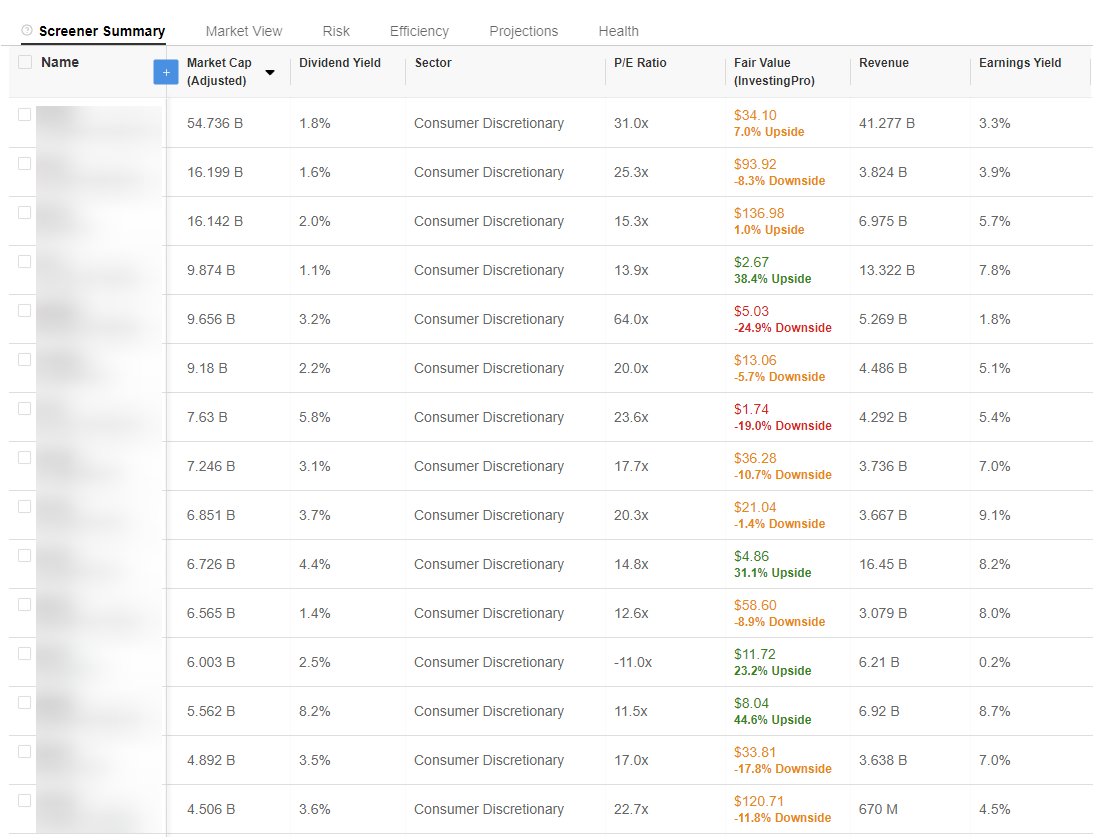
While defensive stocks might not skyrocket in value, they tend to experience less severe declines, helping you minimize losses when the market as a whole is struggling.
3. Use Stop-Loss Orders
A stop-loss order can save you from large losses in times of high market volatility. By setting a stop-loss, you automatically sell a stock if it falls to a certain price, preventing further decline in value.
For instance, if you hold shares worth $50 and you’re worried about a downturn, you could set a stop-loss order at $45. If the price drops that low, your shares will sell automatically, limiting your loss to $5 per share instead of waiting and potentially losing much more.
4. Diversify Your Portfolio
During bear markets, diversification can help reduce risk. A mix of stocks, bonds, and commodities can help balance out losses. When stocks are down, bonds might rise, and commodities like gold often gain value as investors seek safety.
In the 2020 pandemic, for example, while stocks were dropping, gold prices soared, protecting portfolios that were diversified.
5. Stay Calm and Stick to Your Plan
Finally, the most important strategy is to avoid panic selling. Bear markets don’t last forever. Keeping a long-term perspective can help you ride out the storm and avoid selling at the worst possible time. Stick to your investment strategy, and remember that downturns can also offer buying opportunities as prices fall.
Bear markets may feel stressful, but with the right strategies in place, you can manage the risk and even come out ahead.
Recommended Articles








Comments (0)
Click the $ button, enter the symbol, and select to link a stock, ETF, or other ticker.