


Rio Tinto PLC Stock (RIO) Moved Down by 3.15% on Nov 16: A Full Analysis


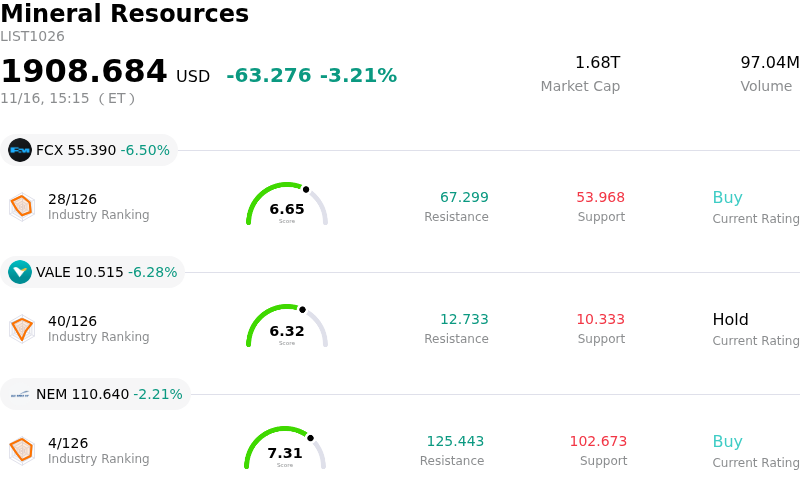
Rio Tinto PLC (RIO) moved down by 3.15%. The Mineral Resources sector is down by 3.21%. The company outperformed the industry. Top 3 stocks by turnover in the sector: Freeport-McMoRan Inc (FCX) down 6.50%; Vale SA (VALE) down 6.24%; Newmont Corporation (NEM) down 2.16%.
What is driving Rio Tinto PLC (RIO)’s stock price down today?
Rio Tinto came under notable selling pressure as benchmark iron ore futures and industrial metals retreated, weighed down by persistent concerns regarding Chinese demand. Because Rio Tinto derives the vast majority of its underlying earnings and cash generation from its seaborne iron ore operations in Western Australia, any deterioration in steel mill margins or sluggish activity across China's real estate and infrastructure sectors immediately suppresses revenue expectations. Recent industrial readings and elevated port stockpiles have reinforced expectations of near-term demand softness, dampening investor appetite for major diversified miners.
A firmer greenback added another layer of pressure across the broader natural resources complex, making dollar-denominated commodities more expensive for international buyers and triggering widespread softness in base metals like copper and aluminum. Concurrently, market participants are scrutinizing the capital intensity of the mining giant's growth initiatives, including long-term commitments to mega-projects such as Simandou and ongoing expansion across high-grade copper assets. While critical for building long-term exposure to the global energy transition, these capital-heavy programs introduce medium-term operational and execution risks against a backdrop of sticky mining cost inflation and volatile realized pricing.
From an institutional perspective, the session's weakness reflects a defensive rotation away from cyclical materials amid broader macroeconomic uncertainty. With institutional allocators closely tracking dividend sustainability and free cash flow generation, near-term commodity price pullbacks frequently trigger systematic de-risking and tactical reductions in heavy mining exposure. Moving forward, Rio Tinto's share trajectory will remain predominantly dictated by the credibility of Chinese fiscal stimulus, winter steel production discipline, and the stabilization of physical iron ore trade flows.
Technical Analysis of Rio Tinto PLC (RIO)
Technically, Rio Tinto PLC (RIO) shows a MACD (12,26,9) value of 0.369, indicating a neutral signal. The RSI at 33.618 suggests neutral condition and the Williams %R at 98.091 suggests oversold condition. Please monitor closely.
Fundamental Analysis of Rio Tinto PLC (RIO)
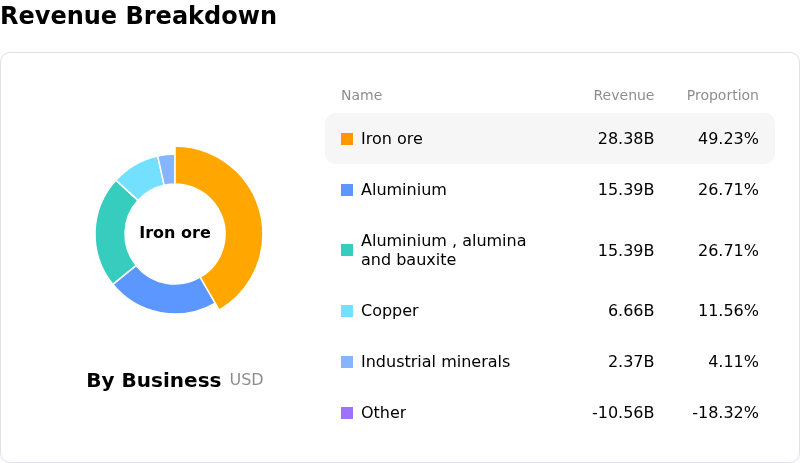
Rio Tinto PLC (RIO) is in the Mineral Resources industry. Its latest annual revenue is $57.64B, ranking 3 in the industry. The net profit is $9.97B, ranking 1 in the industry. Company Profile
Over the past month, multiple analysts have rated the company as Buy, with an average price target of $97.65, a high of $117.00, and a low of $68.00.
More details about Rio Tinto PLC (RIO)
Company Specific Risks:
- Oyu Tolgoi Operational Disruption: Recent seismic activity and localized rockfalls at the Oyu Tolgoi underground copper mine in Mongolia have interrupted operations, reigniting institutional concerns over safety-related stoppages and downside risks to near-term copper production targets at the company's flagship growth asset.
- Iron Ore Price Compression and China Demand Deterioration: Subdued demand from Chinese steel mills, depressed mill margins, and elevated portside stockpiles continue to push iron ore benchmark prices toward multi-month lows, threatening severe margin compression across Rio Tinto's cash-generative Pilbara operations.
- Permitting and Execution Deadlocks at Resolution Copper: Continued capital deployment into the Resolution Copper joint venture in Arizona faces unresolved regulatory hurdles and persistent legal opposition from Native American groups, locking up balance sheet capital in high-risk, non-accretive development that offers no production relief until the mid-2030s.
- Structural Cost Inflation and Asset Sale Regulatory Hurdles: Analyst commentary highlights rising per-tonne operating cost pressures linked to long-term power purchase commitments and operational decarbonization, alongside execution risks where multi-jurisdictional regulatory approvals threaten to delay planned infrastructure asset divestitures.
This article may include AI-generated content that is human-reviewed, which is for reference and general information purposes only and does not constitute investment advice.
Recommended Articles







Comments (0)
Click the $ button, enter the symbol, and select to link a stock, ETF, or other ticker.