


Lockheed Martin Corp Stock (LMT) Moved Down by 3.05% on Sep 22: A Full Analysis



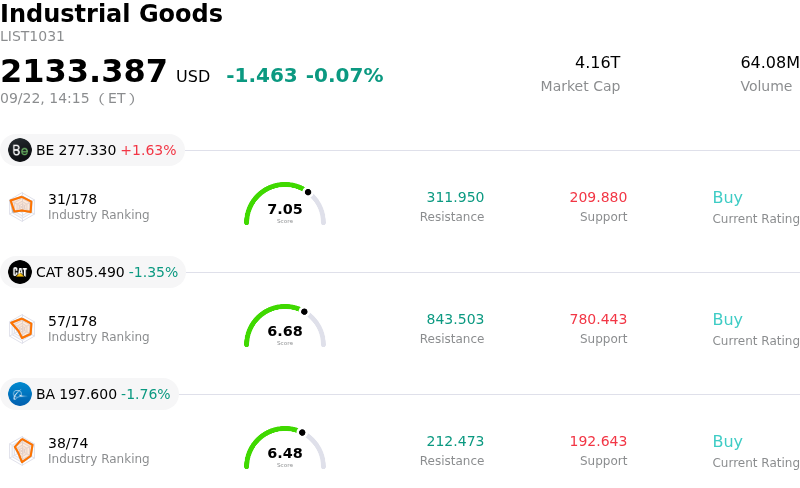
Lockheed Martin Corp (LMT) moved down by 3.05%. The Industrial Goods sector is down by 0.07%. The company underperformed the industry. Top 3 stocks by turnover in the sector: Bloom Energy Corp (BE) up 1.63%; Caterpillar Inc (CAT) down 1.35%; Boeing Co (BA) down 1.79%.
What is driving Lockheed Martin Corp (LMT)’s stock price down today?
Lockheed Martin experienced notable downward price volatility as broader market pressure and profit-taking outweighed recent positive corporate catalysts. The company recently secured a significant contract with the United States Army valued at up to $1.2 billion for the Precision Strike Missile Increment 2 program following successful maritime flight tests, alongside regulatory approvals for international military sales. However, the market reaction reflected a classic "sell the news" dynamic, as investors chose to lock in gains following earlier run-ups driven by bullish analyst revisions and sector-wide defense momentum.
Beyond immediate profit-taking, market sentiment was moderated by execution and margin considerations tied to defense ramp-ups. Lockheed Martin's strategic commitment to quadruple missile production capacity requires substantial internal capital expenditures and facility expansions across its manufacturing footprint. Institutional investors remain cautious regarding potential short-term pressure on free cash flow generation and operating margins, particularly given ongoing sub-tier supply chain constraints and fixed-price development terms. While partnership initiatives with commercial manufacturers aim to accelerate production timelines, scaling output at this magnitude presents operational hurdles that temper immediate earnings upside.
From a broader strategic standpoint, sector-wide capital rotation and portfolio rebalancing contributed to today's pressure on defense prime contractors. Shifts in macroeconomic sentiment prompted investors to reallocate funds out of defensive aerospace holdings into other market segments. Nevertheless, from a long-term institutional perspective, Lockheed Martin's robust order backlog, multi-year government procurement frameworks, and expanding footprint in high-priority strike systems continue to offer structural baseline stability despite near-term volatility.
Technical Analysis of Lockheed Martin Corp (LMT)
Technically, Lockheed Martin Corp (LMT) shows a MACD (12,26,9) value of -0.931, indicating a sell signal. The RSI at 37.100 suggests neutral condition and the Williams %R at 89.472 suggests oversold condition. Please monitor closely.
Media Coverage of Lockheed Martin Corp (LMT)
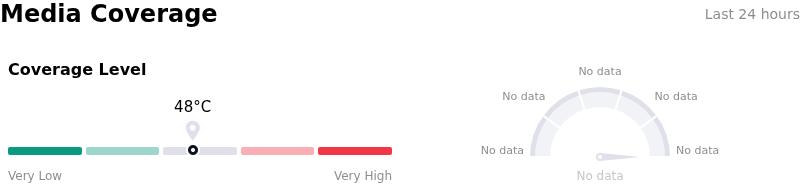
In terms of media coverage, Lockheed Martin Corp (LMT) shows a coverage score of 48, indicating a moderate level of media attention. The overall market sentiment index is currently in extremely bullish zone.
Fundamental Analysis of Lockheed Martin Corp (LMT)
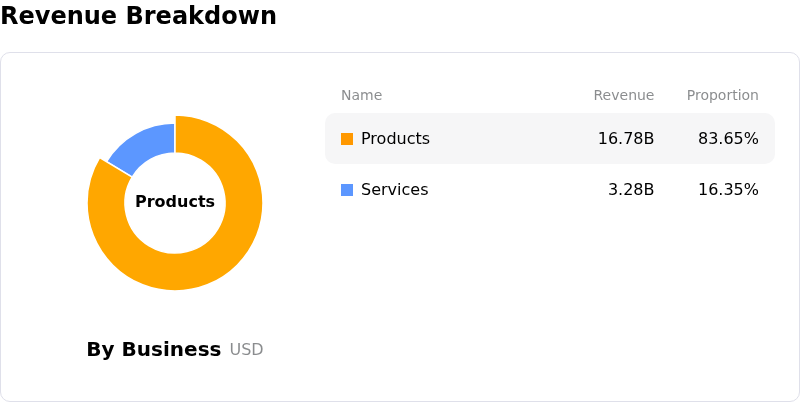
Lockheed Martin Corp (LMT) is in the Industrial Goods industry. Its latest annual revenue is $75.05B, ranking 3 in the industry. The net profit is $5.02B, ranking 3 in the industry. Company Profile
Over the past month, multiple analysts have rated the company as Buy, with an average price target of $641.45, a high of $756.00, and a low of $503.00.
More details about Lockheed Martin Corp (LMT)
Company Specific Risks:
- Geopolitical Risk Premium Compression: Shares fell over 3% as reports of potential diplomatic de-escalation in the Middle East regarding the Strait of Hormuz triggered a sudden contraction in the conflict-driven risk premium that had previously supported defense contractor valuation multiples.
- Persistent Technical Momentum Breakdown: Institutional commentary highlights continued selling pressure with LMT trading below key moving averages, extending a multi-week de-rating as market momentum indicators remain weak despite recent contract awards.
- Backlog-to-Cash Flow Conversion Risks: Analysts remain cautious over whether major long-term contract wins can effectively translate into immediate free cash flow expansion, given high capital requirements to scale production and historical cost risks on fixed-price government programs.
This article may include AI-generated content that is human-reviewed, which is for reference and general information purposes only and does not constitute investment advice.
Recommended Articles







Comments (0)
Click the $ button, enter the symbol, and select to link a stock, ETF, or other ticker.