


Phillips 66 Stock (PSX) Moved Down by 3.80% on Sep 21: What Signal Does It Send?



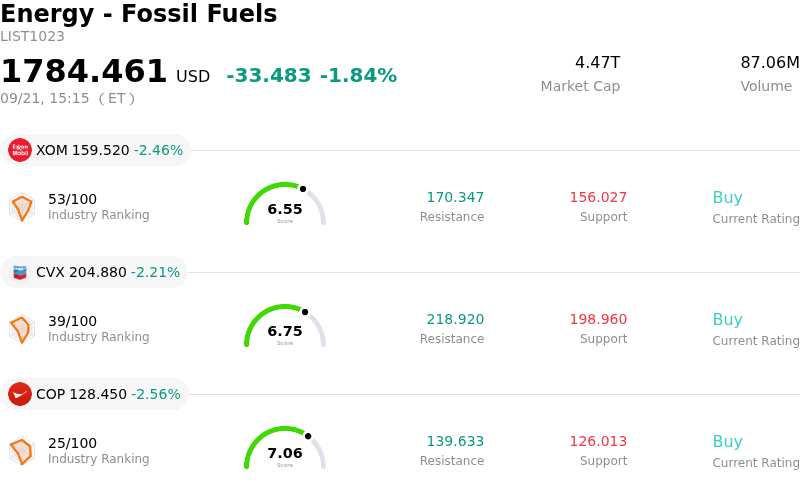
Phillips 66 (PSX) moved down by 3.80%. The Energy - Fossil Fuels sector is down by 1.84%. The company underperformed the industry. Top 3 stocks by turnover in the sector: Exxon Mobil Corp (XOM) down 2.46%; Chevron Corp (CVX) down 2.21%; ConocoPhillips (COP) down 2.56%.
What is driving Phillips 66 (PSX)’s stock price down today?
The pullback in Phillips 66 stock was primarily driven by a broader cooling across the energy and refining sector. Global crude oil benchmark prices and downstream refined product crack spreads experienced a retreat following reports of recovering crude exports from the Middle East and renewed diplomatic signals between the United States and Iran. As immediate supply constraint fears eased, the extreme geopolitical premium that had inflated diesel and gasoline margins began to recede. Because downstream refiners had been primary beneficiaries of exceptionally tight distillate markets and elevated refining margins, any moderation in fuel crack spreads naturally exerts downward pressure on short-term earnings expectations.
Profit-taking also played a significant role in the daily movement. Shares of Phillips 66 had recently touched new 52-week highs following a strong multi-month rally supported by robust quarterly earnings, balance sheet deleveraging, and positive Wall Street target price revisions. With the stock trading near historical highs, market participants used the sector-wide pullback as an opportunity to harvest gains. Investors are increasingly weighing whether the exceptional refining margins seen in recent quarters represent a temporary geopolitical windfall or a prolonged structural dynamic, leading to heightened intraday volatility across the refining peer group.
Underlying operational factors and labor dynamics further contributed to investor caution. Headwinds such as upcoming contract negotiations and union demonstrations at key assets like the Bayway Refinery highlighted potential cost pressures and operational flexibility risks. Nevertheless, the company's medium-term fundamentals remain supported by disciplined capital management, expanding midstream operations, and ongoing share buybacks. In the short term, however, stock price action will continue to closely track global crack spread volatility and macro commodity trends.
Technical Analysis of Phillips 66 (PSX)
Technically, Phillips 66 (PSX) shows a MACD (12,26,9) value of -0.611, indicating a neutral signal. The RSI at 63.299 suggests neutral condition and the Williams %R at 46.923 suggests neutral condition. Please monitor closely.
Media Coverage of Phillips 66 (PSX)
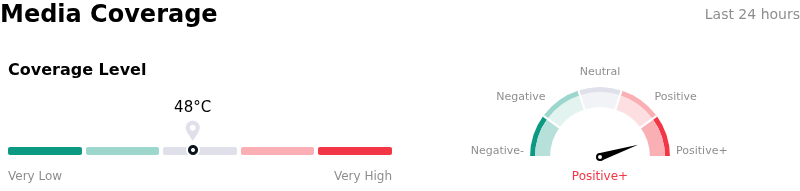
In terms of media coverage, Phillips 66 (PSX) shows a coverage score of 48, indicating a moderate level of media attention. The overall market sentiment index is currently in extremely bullish zone.
Fundamental Analysis of Phillips 66 (PSX)
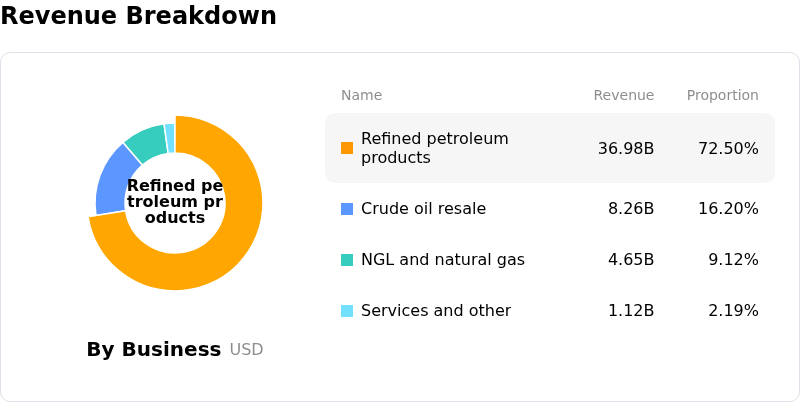
Phillips 66 (PSX) is in the Energy - Fossil Fuels industry. Its latest annual revenue is $132.38B, ranking 7 in the industry. The net profit is $4.39B, ranking 11 in the industry. Company Profile
Over the past month, multiple analysts have rated the company as Buy, with an average price target of $243.16, a high of $335.00, and a low of $158.00.
More details about Phillips 66 (PSX)
Company Specific Risks:
- Valuation Stretch and Overbought Reversal: Trading near all-time historical highs around $275 per share following a massive year-to-date rally, technical momentum indicators show severely overbought RSI conditions, exposing the stock to aggressive intraday profit-taking and multiple compression.
- Refining Crack Spread Normalization: Analyst commentary highlights that record refining profitability is heavily reliant on temporary geopolitical supply disruptions, leaving PSX vulnerable to sharp cash flow contractions once global refining capacity normalizes and crack spreads compress.
- Substantial Executive Insider Liquidations: Recent SEC filings reveal multi-million-dollar share liquidations by senior executive vice presidents, signaling internal caution while the equity trades near peak cyclical valuation levels.
- Commodity Hedge and Derivative Volatility: Net short derivative positions expose the company's refining and midstream operations to sizable pre-tax mark-to-market losses during sudden commodity price spikes, amplifying intraday earnings instability.
This article may include AI-generated content that is human-reviewed, which is for reference and general information purposes only and does not constitute investment advice.
Recommended Articles






Comments (0)
Click the $ button, enter the symbol, and select to link a stock, ETF, or other ticker.