


Brent Futures (UKOIL-F) Volatility Intensified on Aug 6: What to Watch



Brent Futures (UKOIL-F) is up 2.25% at Aug 6 09:10(ET), now at $81.16, with a 7-day down of 6.88%.
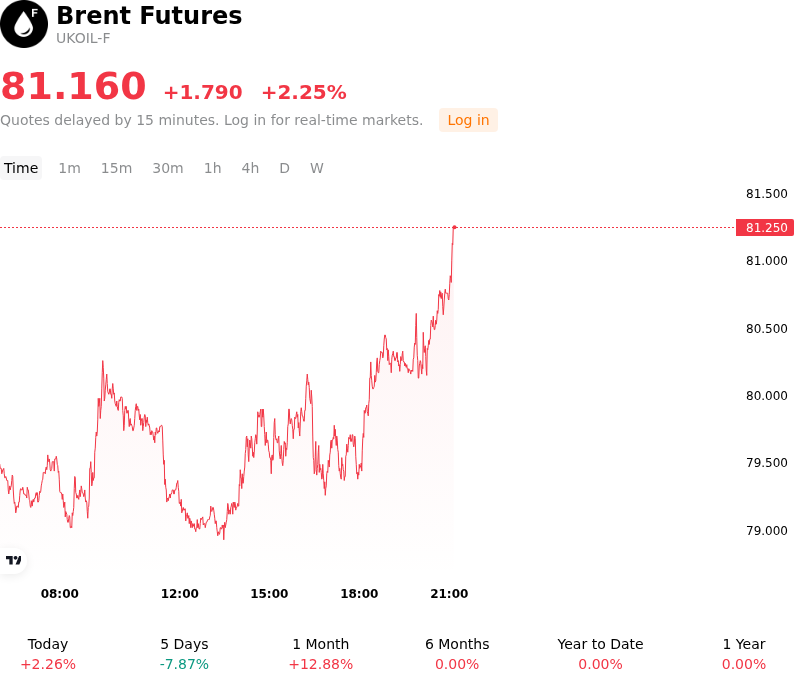
What is driving Brent Futures (UKOIL-F)’s stock price up today?
The advance in Brent crude prices is primarily driven by a significant tightening in the global physical market as OPEC+ remains steadfast in its production discipline. The group's recent signaling that it will prioritize market stability over volume has effectively neutralized previous concerns regarding oversupply from non-OPEC producers. This supply-side constraint is intersecting with heightened geopolitical risks in key producing regions, where renewed tensions have led to the reintroduction of a risk premium as traders hedge against potential disruptions to maritime logistics and export infrastructure.
On the demand side, seasonal factors are providing a substantial tailwind. Northern Hemisphere summer travel and increased power generation requirements for cooling have pushed global refinery runs to near-capacity. Recent inventory data has confirmed this trend, showing a larger-than-expected drawdown in commercial crude stocks and refined products, particularly in the Atlantic Basin. This depletion of inventories suggests that the market is operating at a deficit, forcing a repricing of the prompt-month contract to reflect immediate physical scarcity.
Macroeconomic conditions are also playing a supportive role. A weakening US dollar, spurred by cooling inflation data and growing expectations for a more accommodative pivot by the Federal Reserve, has lowered the effective cost of oil for international buyers. This currency-driven tailwind, combined with signs of stabilizing industrial activity in major emerging markets, has improved the outlook for global oil consumption for the remainder of the year.
From an institutional perspective, the price action is being amplified by a shift in positioning. Managed money, which had been cautious due to recessionary fears earlier in the quarter, is now witnessing a wave of short-covering as technical resistance levels are breached. As the market balance remains tight and storage levels continue to trend below historical averages, the bias for Brent remains skewed to the upside, provided that OPEC+ maintains its current output trajectory and demand remains resilient through the transition to the fourth quarter. Investors continue to monitor for any signs of demand destruction at these higher price levels, though current data suggests that consumption remains robust despite broader macro headwinds.
Technical Analysis of Brent Futures (UKOIL-F)
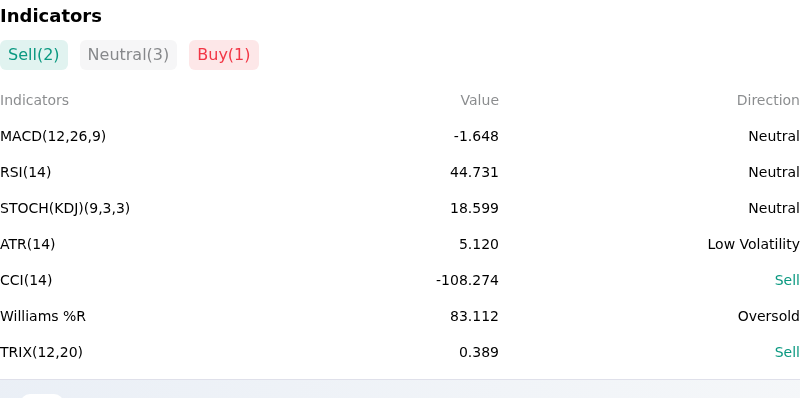
Technically, Brent Futures (UKOIL-F) shows a MACD (12,26,9) value of -1.648, indicating a neutral signal. The RSI at 44.731 suggests neutral condition and the Williams %R at 83.112 suggests oversold condition. Please monitor closely.
More details about Brent Futures (UKOIL-F)
Recent Events and Risks:
- Libyan Production Resumption: The resolution of the political impasse regarding the Libyan central bank has paved the way for the National Oil Corporation to lift force majeure on major fields such as Sharara and El Feel, threatening to flood the market with over 500,000 barrels per day of supply at a time when global demand is fragile.
- OPEC+ Output Increase Concerns: Uncertainty surrounding the OPEC+ group's commitment to unwinding voluntary production cuts starting in October persists; market participants fear that any move to prioritize market share over price stability will exacerbate a projected 2025 supply surplus.
- Persistent Chinese Demand Weakness: Recent economic data from China, including disappointing manufacturing activity and lower-than-expected crude import volumes, indicates that structural economic headwinds are significantly curbing oil consumption in the world’s largest importer.
- Deteriorating Refining Margins: Global refining margins have collapsed to multi-year lows in several regions, signaling weak end-user demand for products like diesel and gasoline; this likely forces refineries to lower throughput, reducing immediate demand for physical Brent crude and pressuring the futures curve.
This article may include AI-generated content that is human-reviewed, which is for reference and general information purposes only and does not constitute investment advice.
Recommended Articles






Comments (0)
Click the $ button, enter the symbol, and select to link a stock, ETF, or other ticker.