


Brent Futures (UKOIL-F) Drops on Jul 31: Key Factors to Watch



Brent Futures (UKOIL-F) is down 2.10% at Jul 31 00:45(ET), now at $85.33, with a 7-day down of 7.84%.
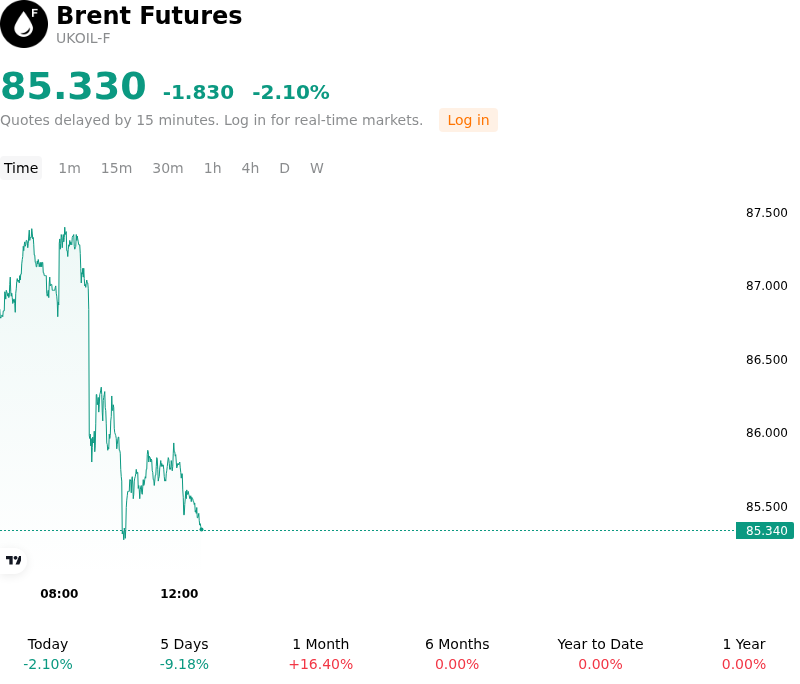
What is driving Brent Futures (UKOIL-F)’s stock price down today?
Brent crude prices experienced downward pressure as market participants recalibrated expectations for global demand amidst deteriorating manufacturing data from major consuming nations. The shift in sentiment was largely driven by evidence that the industrial recovery in Asia is losing momentum, which has significant implications for crude distillate consumption. This demand-side concern was compounded by reports of thinning refinery margins, suggesting that the seasonal peak in transportation fuel demand may be underperforming earlier projections.
Supply-side dynamics contributed to the bearish tone as speculation intensified regarding the future production strategy of OPEC+. Market participants are increasingly focused on the potential for the group to begin unwinding voluntary production cuts in the final quarters of the year. This prospect, combined with robust production levels from non-OPEC producers in the Western Hemisphere, has led to a perceived narrowing of the projected market deficit. The lack of a clear signal that supply constraints will be extended indefinitely has allowed short-term speculators to pivot toward a more neutral to bearish stance.
Macroeconomic headwinds further exacerbated the decline, primarily through the strengthening of the US dollar. As central bank rhetoric remains focused on managing persistent inflationary pressures, interest rate expectations have shifted, providing support to the dollar. A stronger greenback typically reduces demand for dollar-denominated commodities by making them more expensive for holders of other currencies. This currency movement triggered a broader de-risking phase across the energy complex, as institutional investors adjusted their portfolios in response to the tightening financial conditions.
From a technical and positioning standpoint, the breach of key psychological support levels accelerated the sell-off. The liquidation of long positions by trend-following funds added momentum to the intraday move, as algorithmic trading systems responded to the breakdown of established price ranges. While recent inventory data showed a moderate drawdown, the market chose to look past short-term storage fluctuations, focusing instead on the structural risks of a potential supply overhang heading into the next calendar year.
Geopolitical risk premiums also continued to erode as immediate concerns over transit disruptions in key maritime corridors failed to materialize into actual supply losses. Without a fresh catalyst to sustain a risk premium, the market returned its focus to the fundamentals of slowing global growth and resilient non-OPEC supply. Investors remain cautious, monitoring upcoming industrial production reports and further guidance from energy ministers for signs of a floor in the current pricing environment.
Technical Analysis of Brent Futures (UKOIL-F)
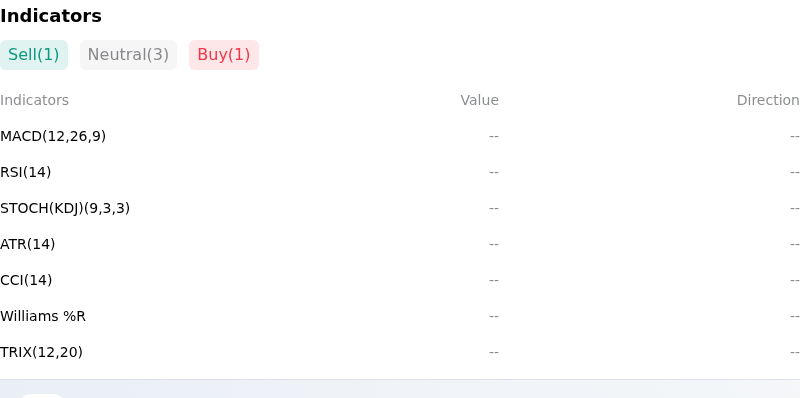
Technically, Brent Futures (UKOIL-F) shows a MACD (12,26,9) value of 2.001, indicating a buy signal. The RSI at 49.316 suggests neutral condition and the Williams %R at 67.951 suggests sell condition. Please monitor closely.
More details about Brent Futures (UKOIL-F)
Recent Events and Risks:
- OPEC+ Production Strategy Uncertainty: Market participants are increasingly concerned that OPEC+ may begin phasing out voluntary supply cuts starting in the fourth quarter, potentially flooding a market that is already grappling with projections of a significant surplus in 2025.
- Softening Chinese Industrial Demand: Recent economic data and refinery throughput figures from China indicate persistent weakness in industrial activity, raising fears that the world’s largest crude importer will fail to meet global demand growth forecasts for the remainder of the year.
- Hawkish Federal Reserve Sentiment: Continued signals from U.S. central bank officials suggesting that interest rates will remain elevated for a longer duration have bolstered the U.S. Dollar, making Brent crude more expensive for international buyers and increasing the risk of a macro-driven demand contraction.
- Geopolitical Risk Premium Decay: Brent faces downside volatility as traders unwind "war premium" positions following a lack of immediate escalation in the Middle East and ongoing diplomatic efforts, which reduce the perceived threat to physical supply flows through the Strait of Hormuz.
This article may include AI-generated content that is human-reviewed, which is for reference and general information purposes only and does not constitute investment advice.
Recommended Articles








Comments (0)
Click the $ button, enter the symbol, and select to link a stock, ETF, or other ticker.