


Uber Technologies Inc Stock (UBER) Moved Down by 3.56% on Jul 14: A Full Analysis



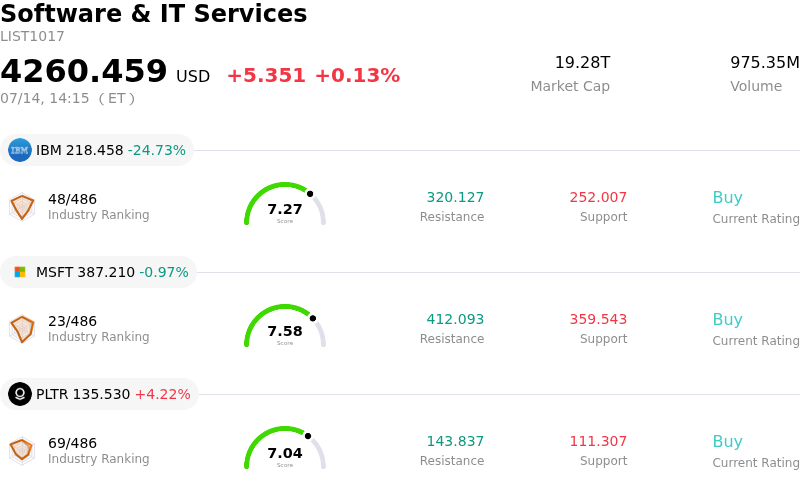
Uber Technologies Inc (UBER) moved down by 3.56%. The Software & IT Services sector is up by 0.13%. The company underperformed the industry. Top 3 stocks by turnover in the sector: International Business Machines Corp (IBM) down 24.73%; Microsoft Corp (MSFT) down 0.97%; Palantir Technologies Inc (PLTR) up 4.02%.
What is driving Uber Technologies Inc (UBER)’s stock price down today?
The downward movement in Uber shares today reflects a combination of renewed regulatory scrutiny and shifting sentiment within the broader mobility sector. Investors appear to be reacting to legal developments regarding labor classification, specifically concerning the status of independent contractors in several key domestic jurisdictions. Any indication that the cost of labor could rise due to mandatory benefit provisions typically pressures Uber’s margins, as the company’s platform model relies heavily on a flexible workforce to maintain competitive pricing in both the ride-hailing and delivery segments.
Macroeconomic pressures are also playing a significant role in the current intraday volatility. With recent economic data suggesting that service-sector costs remain stubborn, there is growing concern that consumer discretionary spending may cool in the second half of the year. For a platform like Uber, which operates at the intersection of transportation and convenience, any sign of a pullback in household spending on premium services like food delivery or higher-tier ride options tends to trigger a defensive stance among institutional shareholders.
From a competitive standpoint, the accelerating pace of autonomous vehicle integration continues to be a double-edged sword for the company. While Uber has made strides in its own autonomous partnerships, reports of expanded commercial operations from pure-play competitors in the driverless space have raised questions about the long-term defensibility of Uber’s market share. The prospect of lower-cost, autonomous fleets entering major urban hubs poses a strategic risk to the traditional human-driven model, leading to speculative selling as the market weighs the capital expenditures required for Uber to remain a dominant player.
Furthermore, analyst sentiment has turned slightly more cautious as the market approaches the next earnings cycle. Recent adjustments to price forecasts by several major brokerages suggest that the rapid growth seen in previous years may be reaching a point of normalization. This skepticism, coupled with broader technical selling across the technology and transportation sectors, has exacerbated the downward pressure. Institutional investors appear to be rebalancing portfolios, moving away from high-beta platform stocks in favor of more defensive assets as uncertainty regarding the trajectory of interest rates and global economic growth persists.
Technical Analysis of Uber Technologies Inc (UBER)
Technically, Uber Technologies Inc (UBER) shows a MACD (12,26,9) value of 0.411, indicating a buy signal. The RSI at 53.276 suggests neutral condition and the Williams %R at 42.709 suggests buy condition. Please monitor closely.
Media Coverage of Uber Technologies Inc (UBER)
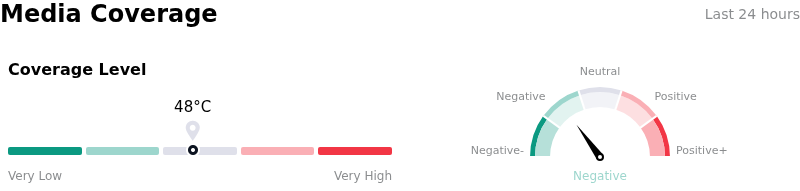
In terms of media coverage, Uber Technologies Inc (UBER) shows a coverage score of 48, indicating a moderate level of media attention. The overall market sentiment index is currently in bearish zone.
Fundamental Analysis of Uber Technologies Inc (UBER)
Uber Technologies Inc (UBER) is in the Software & IT Services industry. Its latest annual revenue is $52.02B, ranking 11 in the industry. The net profit is $10.05B, ranking 12 in the industry. Company Profile
Over the past month, multiple analysts have rated the company as Buy, with an average price target of $104.44, a high of $150.00, and a low of $72.00.
More details about Uber Technologies Inc (UBER)
Company Specific Risks:
- Labor Classification Litigation: Recent legal developments in the Massachusetts Supreme Judicial Court regarding the classification of drivers as independent contractors represent an immediate threat to the cost structure, as a potential ruling against the company would force a transition to an employee-based model with massive payroll tax and benefit liabilities.
- Equity Investment Volatility: Large non-cash GAAP losses reported in recent filings, driven by the downward mark-to-market revaluation of equity stakes in Aurora Innovation and Joby Aviation, continue to create significant bottom-line volatility and complicate investor assessments of core operational profitability.
- Competitive Delivery Margin Pressure: Intensifying competition from DoorDash and specialized delivery platforms has led to increased driver incentives and consumer promotions, which analysts warn could stall margin expansion and take-rate growth in the Delivery segment for the remainder of the fiscal year.
- Regulatory Compliance Costs: Heightened scrutiny from European regulators regarding the "Platform Work Directive" poses a risk of mandatory changes to algorithmic management and data transparency, potentially leading to increased administrative expenses and reduced operational flexibility in key international markets.
This article may include AI-generated content that is human-reviewed, which is for reference and general information purposes only and does not constitute investment advice.
Recommended Articles






Comments (0)
Click the $ button, enter the symbol, and select to link a stock, ETF, or other ticker.