EXPLAINER-How will companies get refunds now that the US Supreme Court has rejected Trump's tariffs?

By Tom Hals
WILMINGTON, Delaware, Feb 20 (Reuters) - The U.S. Supreme Court said on Friday that tariffs imposed by President Donald Trump under an economic emergency law were illegal.
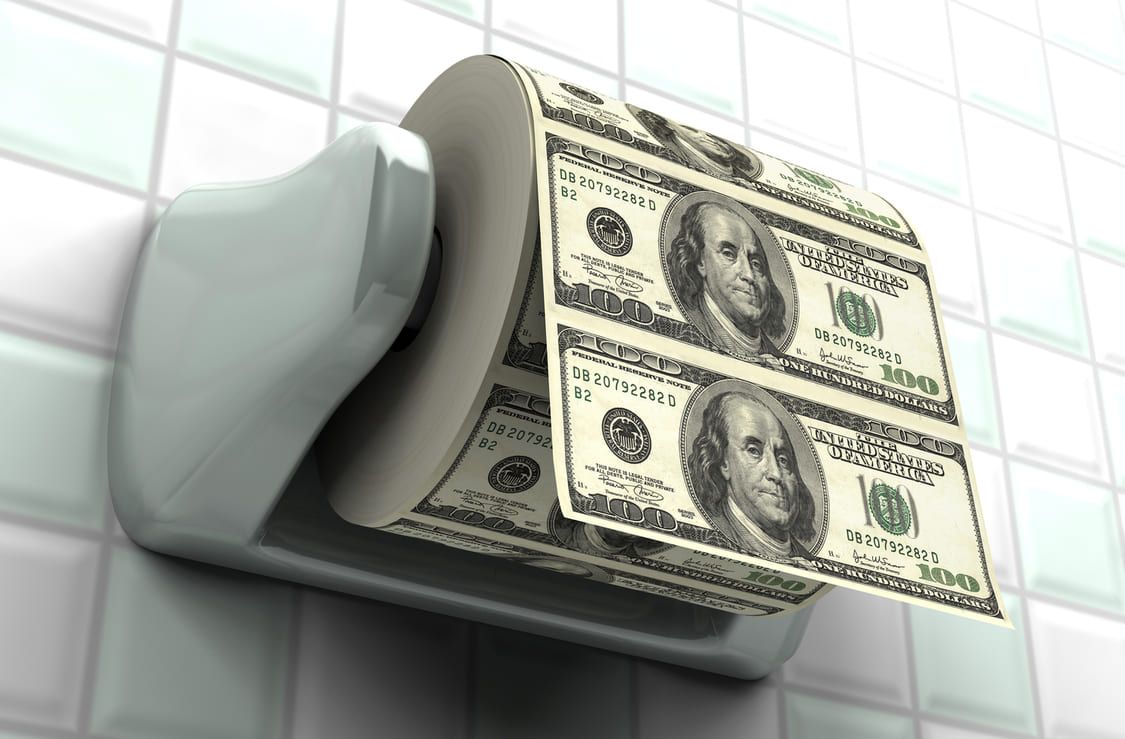
The court did not say how the government should refund the illegal tariffs, worth an estimated $175 billion. When asked about refunds, Trump said at a press conference that "we'll end up being in court for the next five years."
HOW ARE TARIFFS COLLECTED?
For nearly all goods subject to tariffs, an importer posts a bond with the Customs and Border Protection agency and pays an estimated tariff on the merchandise to bring it into the United States.
The government makes a final determination of the tariffs on those goods, a process known as liquidation, which usually happens 314 days after entry of the goods. Excess payments are refunded or the importer must cover the shortfall. Importers filed suit at the U.S. Court of International Trade to try to stop the process of determining final tariff payments while the Supreme Court was considering the case, but that court denied the request.
DID THE SUPREME COURT SAY HOW TO REFUND THE MONEY?
No. In a dissenting opinion, Justice Brett Kavanaugh said the court's ruling was likely to generate serious practical consequences in the near term, including refunds. He noted it was acknowledged at oral arguments that distributing refunds was likely going to be "a mess."
The case will now go back to the Court of International Trade to sort through the refunds.
HOW MIGHT REFUNDS BE HANDLED?
More than 1,000 lawsuits have been filed by importers in the trade court seeking refunds, and a flood of new cases is likely.
The court ruled in December that it had the power to reopen the final tariff determinations and order the government to pay refunds with interest -- an authority the Trump administration said in court it would not challenge. That decision removed potential legal complications to refunds, according to trade experts.
WHAT WILL IMPORTERS HAVE TO DO TO GET A REFUND?
Each importer might have to sue in the Court of International Trade to get a refund, and it is not clear that a class action could be formed to cover the broad range of companies that paid tariffs, legal experts said. Importers have two years to sue to claim a refund, under U.S. trade law.
The process could disproportionately hurt smaller businesses, many of which already suffered more from tariffs than well-funded companies like Costco. Lawyers for importers said some smaller importers might abandon a potential refund rather than pay thousands of dollars in legal and court fees to bring a case.
IS THERE A PRECEDENT FOR THESE REFUNDS?
The Court of International Trade has overseen large-scale refunds before. Congress enacted a harbor maintenance tax in 1986 that was assessed on the value of all cargo into and out of U.S. ports. The Supreme Court ruled part of the tax was unconstitutional in 1998. The Court of International Trade oversaw a refund process involving more than 100,000 claimants that was managed by Judge Jane Restani, who remains on the court.
DOES IT HAVE TO BE A MESS?
Trade experts said the government has tracked tariff payments and improved recordkeeping systems that should make it easier to determine the size of refunds. Small businesses have called on the Trump administration to issue automatic repayments and have expressed concern that the government might scrutinize entry paperwork in a way that slows the refund process.
Even if refunds are distributed, some companies that sought them might not get the money. That's because the company might not have been the importer of record, which is the entity responsible for ensuring imported goods comply with regulations and paying duties.
Once the refund is distributed, it will depend on the contractual arrangement between the company that paid the tariff and the importer of record to determine who ultimately gets the money, creating another potential legal dispute.
The process could take years, trade groups have warned.
For that reason, some companies with potential tariff refunds have been selling their potential claim to Wall Street investors.
Related Articles
Will Bank of England Still Cut Rates in 2026? Falling Inflation Favors Loose Monetary Policy, Pound Exchange Rate May Struggle to Sustain Strength.
TradingKey - The outlook for the British Pound in 2026 is undoubtedly one of the most significant focal points for investors in the FX market. Following a structural shift in 2025 characterized by a "low start and high finish," GBP/USD successfully broke out of its two-year trading range and stabilized near 1.35 at year-end, laying the foundation for its performance in 2026.
What Is the Best Nuclear Energy Investment in 2026? Which Should You Buy in, OKLO or Nuclear Energy ETFs?
TradingKey - Demand for electricity is surging, and data centers designed for artificial intelligence are a big reason. Governments are also demanding cleaner, dependable power. This coupling has brought about a revival in nuclear power, with capacity expected to increase in the coming decades. To i
Stock Market Crash 2026: What Fed Signals and Economic Data Mean for Investors
TradingKey - The possibility of a stock market crash occurring in 2026 is becoming increasingly likely as investor sentiment continues to decline.
New Fed Chair Warsh Takes Office: Major Shift in Monetary Policy? US Dollar Short-Term Rebound, 2026 Investment Strategy Analysis
TradingKey - At the start of 2026, global financial markets witnessed a major leadership change as U.S. President Trump officially nominated Kevin Warsh as the next Federal Reserve Chair. Pending Senate confirmation, he will succeed Jerome Powell this May to lead the world’s most influential central bank.