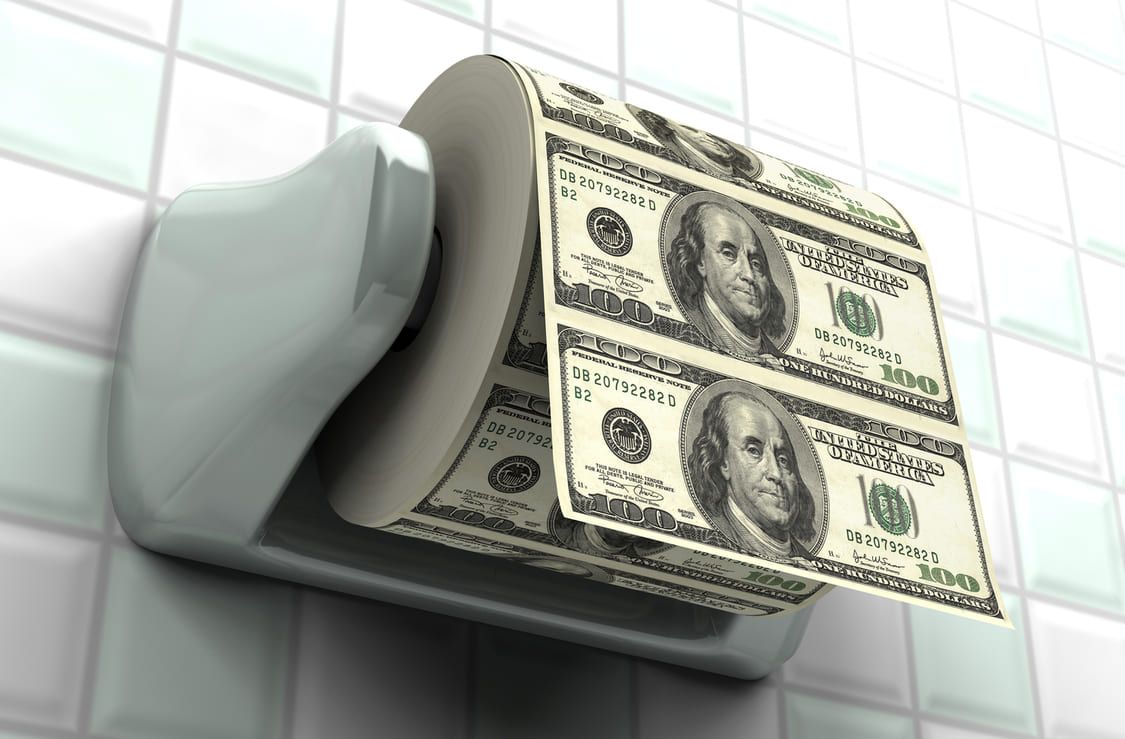
BREAKINGVIEWS-The Supreme Court ignites a new tariff frenzy

By Gabriel Rubin
WASHINGTON, Feb 20 (Reuters Breakingviews) - “Liberation Day” tariffs didn’t even make it to their first anniversary. The bewildering bevy of levies imposed under emergency powers by the Trump administration in April shook the global trade system and led to months of extensions, deals, escalatory threats and ruptures. The U.S. Supreme Court ruled on Friday that the president lacked authority under statute for any of it. The rejection alone doesn’t end the ad hoc gamesmanship, though: only Congress can do that.
Much damage has been done. Though the ruling doesn’t address the issue, some $175 billion of collected duties, according to a Wharton School estimate, may now have to be refunded. Importers of all sizes, from major retailers like Costco COST.O to family-owned toy manufacturers, have filed claims. Furthermore, Trump can try to seek alternate authority to cobble together replacement levies. The powers under which he imposed tariffs related to steel and aluminum, or those related to national security, are unaffected. In a press conference following the court’s decision, the president said that he would utilize Section 122, which allows for across-the-board rates for up to five months, to impose a new 10% global penalty.
Ultimately, for Trump and for governments negotiating against him, what may matter most is whether legislators assert their primacy over trade, now reaffirmed by the court. They have shown signs of stirring recently. Republican leaders’ attempted blockade against votes disapproving of tariffs failed earlier this month. For now, backbenchers don’t seem ready to break from the president en masse. While resolutions attacking levies passed, they garnered just token support from the governing party, far short of the two-thirds majority necessary to override a possible veto from the White House. To really reclaim trade policy, many more legislators must be ready to act.
The opportunity will not get more obvious. A 6-3 majority opinion written by Chief Justice John Roberts – joined, notably, by two Trump appointees – places trade authority clearly within lawmakers’ purview. The Congressional Budget Office and New York Federal Reserve alike say in new studies that consumers bear more than 90% of the burden of tariffs. Midterm elections loom in November, while Trump's approval rating on his handling of the economy stands at just 34%, according to a new Reuters/Ipsos poll released this week. Failure to move now could simply hand the reins to a very different Congress next year.
Follow Gabriel Rubin on Bluesky and LinkedIn.
CONTEXT NEWS
The United States Supreme Court ruled on February 20 that President Donald Trump does not have the authority under certain emergency statutes to impose tariffs on trading partners without congressional justification.
Tariffs imposed under emergency powers in April 2025 have raised $175 billion in revenue, according to the Wharton School at the University of Pennsylvania.
Next up: $175 billion in tariff refunds 
Related Articles
Will Bank of England Still Cut Rates in 2026? Falling Inflation Favors Loose Monetary Policy, Pound Exchange Rate May Struggle to Sustain Strength.
TradingKey - The outlook for the British Pound in 2026 is undoubtedly one of the most significant focal points for investors in the FX market. Following a structural shift in 2025 characterized by a "low start and high finish," GBP/USD successfully broke out of its two-year trading range and stabilized near 1.35 at year-end, laying the foundation for its performance in 2026.
Why the Yen Falls Further the More It Is Rescued: The Answer Lies in Japan’s Own Structural Contradictions
TradingKey - Entering early 2026, the attention of global investors is once again locked on the Japanese Yen (JPY). Despite the Bank of Japan (BoJ) gradually raising policy rates to a range of 0.5% - 0.75%, marking a definitive end to the era of negative interest rates, the yen continues to trend lower against the U.S. dollar.
What Is the Best Nuclear Energy Investment in 2026? Which Should You Buy in, OKLO or Nuclear Energy ETFs?
TradingKey - Demand for electricity is surging, and data centers designed for artificial intelligence are a big reason. Governments are also demanding cleaner, dependable power. This coupling has brought about a revival in nuclear power, with capacity expected to increase in the coming decades. To i
Stock Market Crash 2026: What Fed Signals and Economic Data Mean for Investors
TradingKey - The possibility of a stock market crash occurring in 2026 is becoming increasingly likely as investor sentiment continues to decline.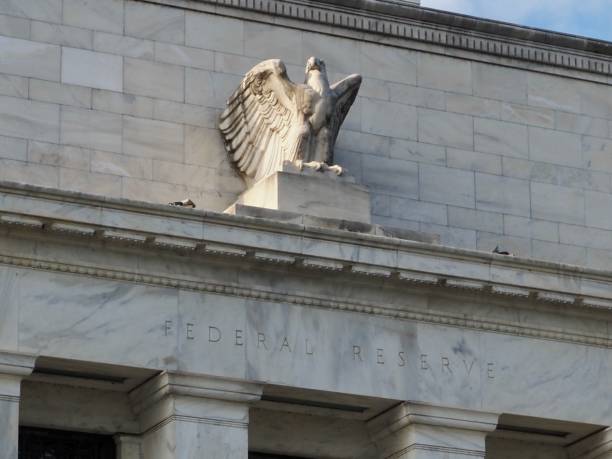
New Fed Chair Warsh Takes Office: Major Shift in Monetary Policy? US Dollar Short-Term Rebound, 2026 Investment Strategy Analysis
TradingKey - At the start of 2026, global financial markets witnessed a major leadership change as U.S. President Trump officially nominated Kevin Warsh as the next Federal Reserve Chair. Pending Senate confirmation, he will succeed Jerome Powell this May to lead the world’s most influential central bank.