


 Discount


Microsoft Corp Stock (MSFT) Opened Down by 3.53% on Nov 25: Key Drivers Unveiled


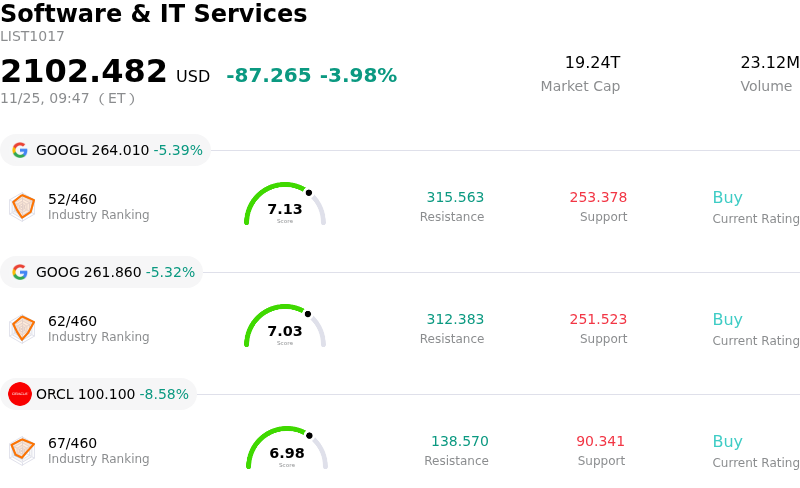
Microsoft Corp (MSFT) opened down by 3.53%. The Software & IT Services sector is down by 3.98%. The company outperformed the industry. Top 3 stocks by turnover in the sector: Alphabet Inc Class A (GOOGL) down 5.60%; Alphabet Inc Class C (GOOG) down 5.50%; Oracle Corp (ORCL) down 8.58%.
What is driving Microsoft Corp (MSFT)’s stock price down today?
Microsoft shares experienced pronounced selling pressure during the session, reflecting a broader retreat across large-cap technology and cloud infrastructure providers. Heightened sensitivity to macroeconomic headwinds, particularly elevated sovereign bond yields and lingering uncertainty regarding the Federal Reserve's monetary path, placed renewed discount rate pressure on premium-multiple equities. In such an environment, mega-cap technology leaders often bear the brunt of tactical de-risking as institutional portfolio managers rebalance exposure and lock in gains.
Beyond macroeconomic factors, institutional sentiment was dampened by persistent market scrutiny surrounding capital expenditures and the monetization timeline of enterprise artificial intelligence. Investors have increasingly focused on the disparity between accelerating capital deployment toward specialized computing infrastructure and the pace of top-line commercial conversion within Azure. Ongoing concerns over elevated depreciation costs, potential supply constraints in high-performance compute clusters, and the timing of software margin realization have led some market participants to adopt a more conservative near-term valuation framework.
Competitive and regulatory dynamics also contributed to the cautious trading tone. Intensified competition from rival hyperscale cloud platforms in both infrastructure pricing and proprietary AI workload acceleration continues to keep market participants vigilant regarding future cloud operating margins. Concurrently, regulatory scrutiny over cloud software licensing practices and strategic enterprise partnerships continues to generate lingering operational friction, limiting the stock's ability to decouple from broader sector softness.
From an institutional perspective, the pullback represents a tactical multiple compression driven by elevated expectations rather than a fundamental breakdown of Microsoft’s enterprise moat. While elevated infrastructure spending and market volatility may constrain near-term valuation expansion, the company's entrenched market position across enterprise productivity, cybersecurity, and cloud platforms remains intact. Institutional investors are likely to monitor upcoming telemetry on commercial cloud consumption and enterprise application renewals to assess whether this contraction offers a viable risk-reward entry window.
Technical Analysis of Microsoft Corp (MSFT)
Technically, Microsoft Corp (MSFT) shows a MACD (12,26,9) value of -9.859, indicating a sell signal. The RSI at 35.412 suggests neutral condition and the Williams %R at 98.453 suggests oversold condition. Please monitor closely.
Media Coverage of Microsoft Corp (MSFT)
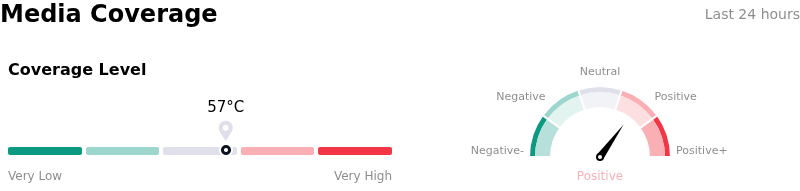
In terms of media coverage, Microsoft Corp (MSFT) shows a coverage score of 57, indicating a moderate level of media attention. The overall market sentiment index is currently in bullish zone.
Fundamental Analysis of Microsoft Corp (MSFT)
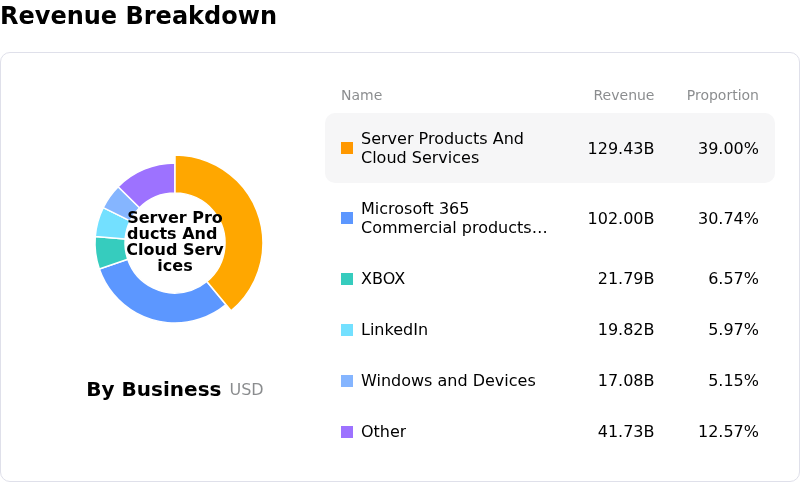
Microsoft Corp (MSFT) is in the Software & IT Services industry. Its latest annual revenue is $331.84B, ranking 3 in the industry. The net profit is $133.75B, ranking 1 in the industry. Company Profile
Over the past month, multiple analysts have rated the company as Buy, with an average price target of $629.11, a high of $870.00, and a low of $440.00.
More details about Microsoft Corp (MSFT)
Company Specific Risks:
- Internal "Code Red" Operational Overhaul: Microsoft declared a company-wide "Code Red" initiative following a severe global cloud outage affecting Microsoft 365, Copilot, Teams, and Outlook, exposing architectural and crisis-response vulnerabilities that threaten enterprise customer confidence and divert engineering resources toward structural remediation.
- Free Cash Flow Contraction and Escalating CapEx: Unprecedented capital expenditure acceleration to $45.2 billion—coupled with plans to raise approximately $25 billion in debt to fund AI infrastructure—has driven a 27% decline in free cash flow and triggered analyst downgrades centered on cloud gross margin compression.
- Hardware Supply Chain and Geopolitical Exposure: Management warnings regarding U.S. trade policy developments and heightened restrictions on Chinese-sourced hardware components have elevated the risk of project delivery delays and capital expenditure inflation across hyperscale AI data center buildouts.
- Enterprise Software Moat Disruption and Model Dependency: Competitive incursions from emerging frontier AI tools targeting core Office and Excel workflows, alongside internal contingency planning regarding potential disruption to long-term OpenAI licensing access, introduce downside volatility to enterprise software retention and AI monetization timelines.
This article may include AI-generated content that is human-reviewed, which is for reference and general information purposes only and does not constitute investment advice.
Recommended Articles







Comments (0)
Click the $ button, enter the symbol, and select to link a stock, ETF, or other ticker.